Last updated October 30, 2026
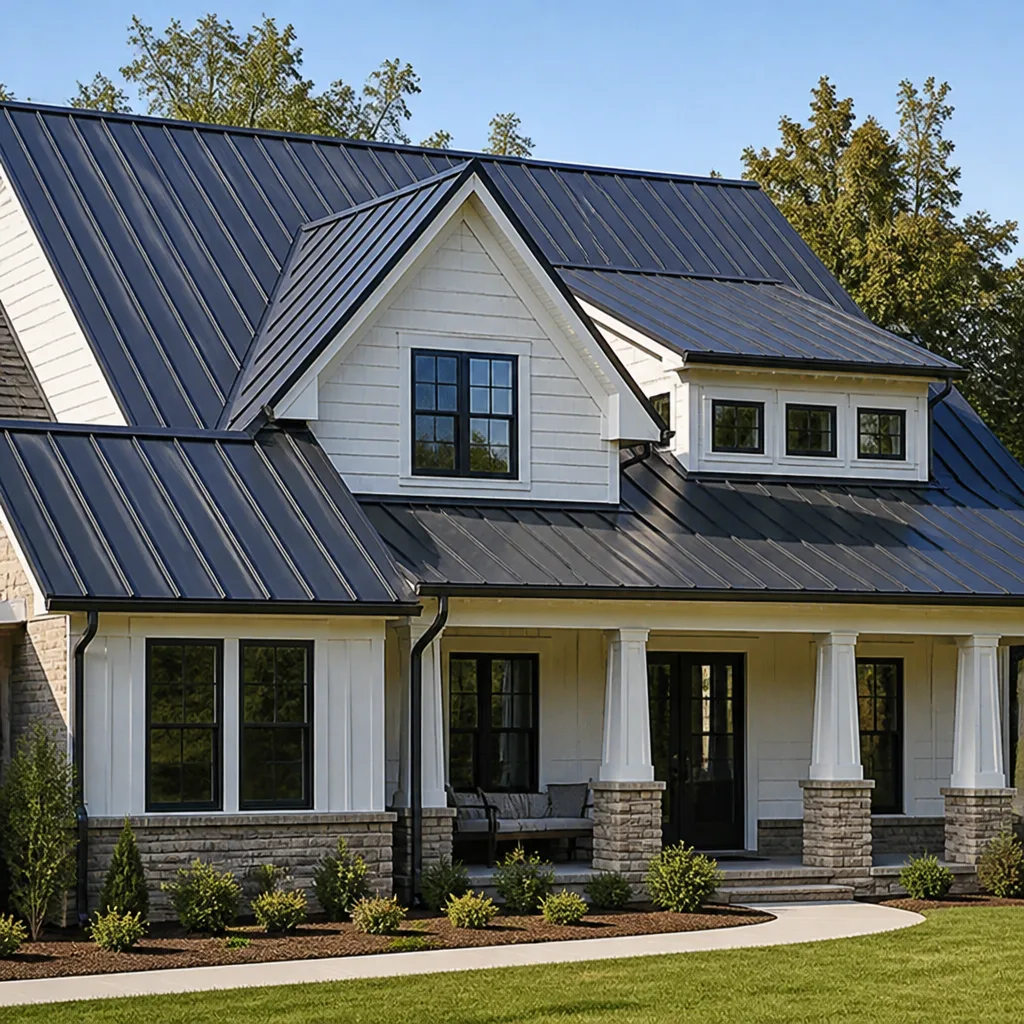 Metal roofing
 Architectural shingles
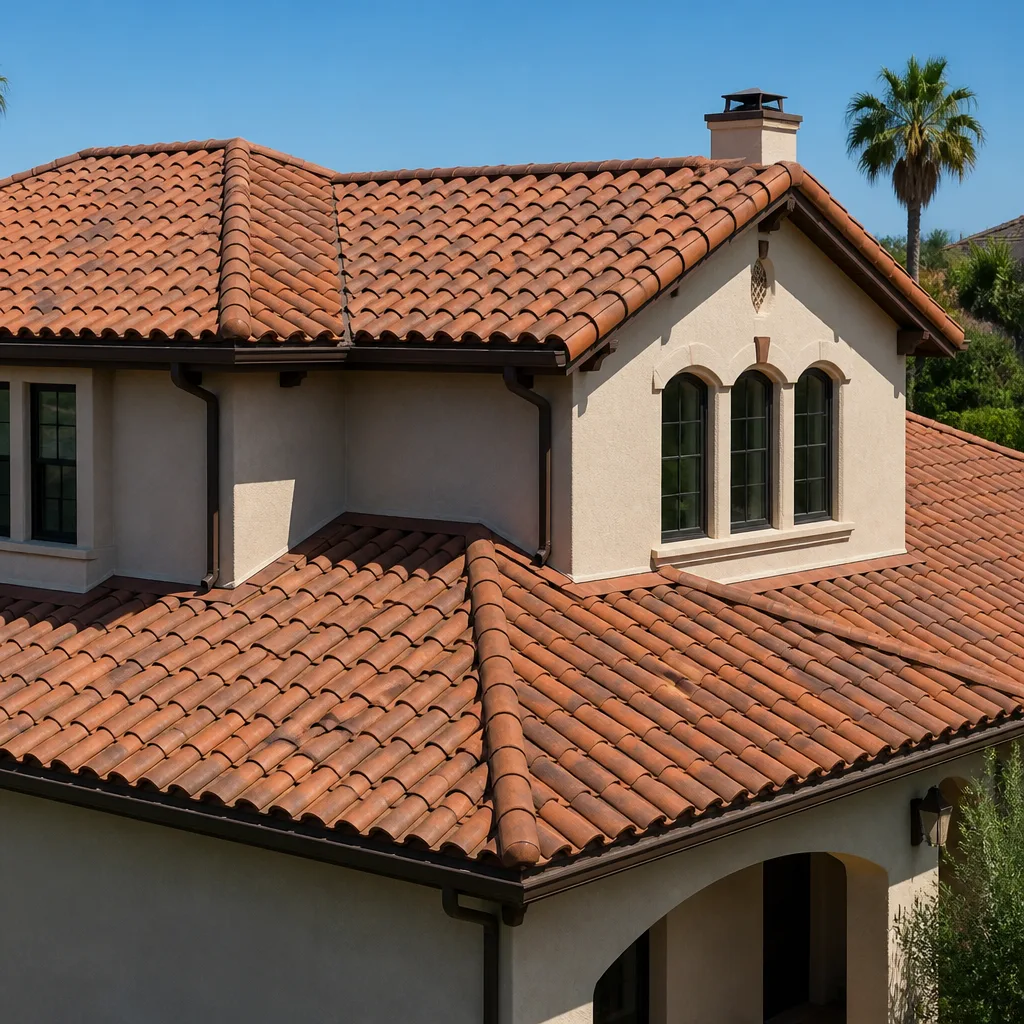 Tile roofing
 GAF
 Owens Corning
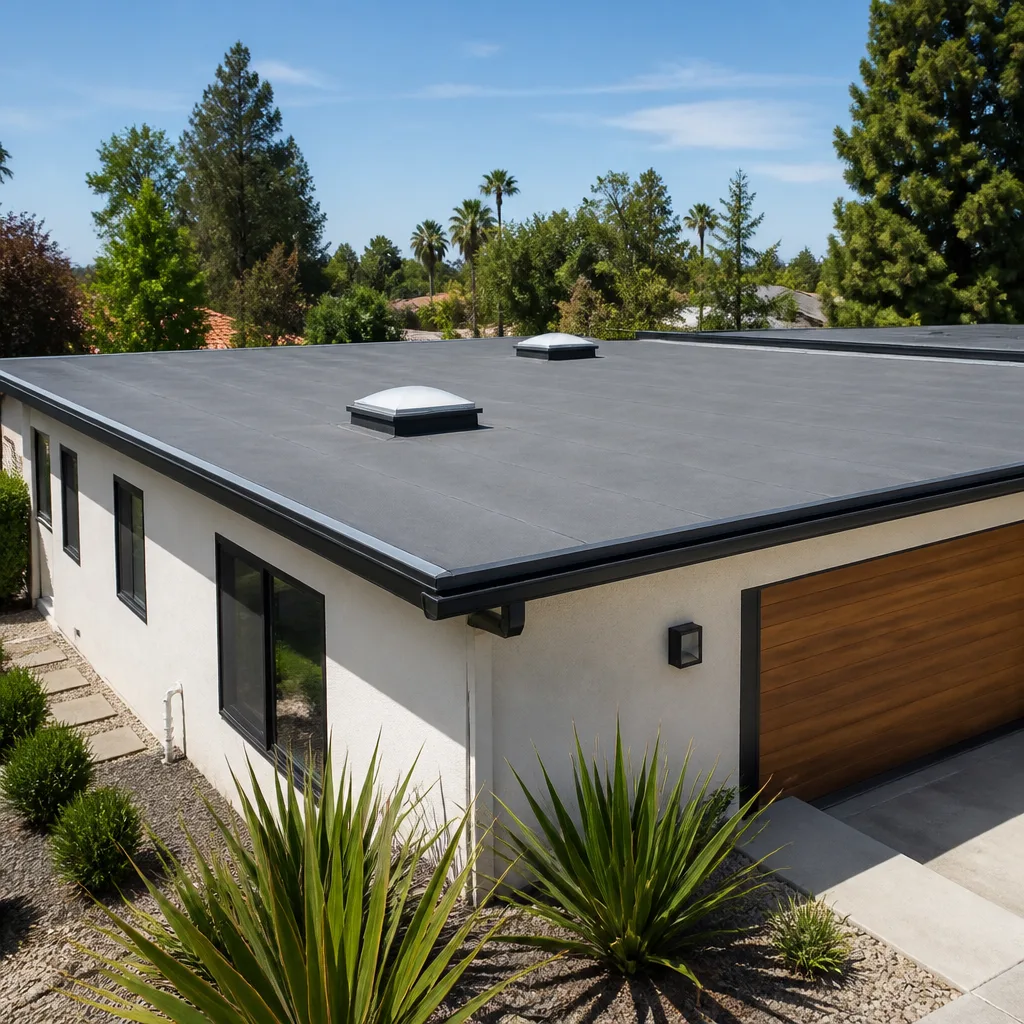 Flat & low-slope
Free roof inspection with deck photos before we talk money - GAF and Owens Corning certified installation
Roofing Permits, Codes & Inspections in CA: What You Need to Know
Here’s a fact most California homeowners don’t learn until it’s too late: a homeowner in LA County who re-roofs without a permit doesn’t just risk a fine. They can be required to tear off the new roof so an inspector can verify what’s underneath. That means paying for the job twice. In Pomona specifically, we’ve watched unpermitted roofing work derail home sales at the worst possible moment, and we’ve seen what happens when a new roof fails its first inspection because someone skipped a Title 24 cool-roof requirement. This guide explains when permits are actually required, what inspectors look for, and how to make the process boring and predictable instead of expensive and stressful, and you can find more guides & resources in our blog.
Quick Answer
In California, any roof replacement that involves removing more than 50% of the existing roofing material or replacing the roof sheathing requires a building permit from your local jurisdiction, which in Pomona means the City of Pomona Building Division. Repair work that covers less than 25% of the roof surface within a 12-month period is generally exempt, though this threshold varies by county. California’s Title 24 energy code applies to most re-roofing projects and requires cool-roof compliant materials unless you qualify for specific exceptions, such as certain historic homes or heavily shaded properties.
Styles & brands we work with
Table of Contents
- When a Permit Is Required in California (and When It Isn’t)
- Title 24 Cool Roof Requirements: What They Actually Mean for Your Home
- Pomona and LA County Codes: What’s Different Here
- What a Building Inspector Checks During a Roofing Inspection
- What Happens When Unpermitted Roofing Work Is Discovered
- The Homeowner’s Role in the Permit Process
- Permit Costs and Timeline: What to Budget
- How to Choose a Contractor Who Won’t Cut Corners on Permits
When a Permit Is Required in California (and When It Isn’t)
The California Building Code, which every city in the state adopts with local amendments, draws a fairly clear line between roof work that needs a permit and roof work that doesn’t. A permit is required when the project involves any of the following:
- Removing and replacing more than 50% of the roof covering (shingles, tile, or membrane) in one continuous project
- Replacing any roof sheathing or structural decking, even a single sheet, because this touches the structural framing
- Changing the roof structure itself: adding skylights, altering the pitch, or cutting for a new chimney chase
- Installing or replacing roof-mounted equipment that requires structural reinforcement, such as heavy solar arrays or large HVAC units
- Re-roofing over an existing layer when the total number of layers would exceed two, which triggers structural review
Conversely, minor repair work is typically exempt. Patching a small section of damaged shingles, replacing a few cracked tiles, or resealing flashing around a vent usually falls under routine maintenance that doesn’t require a permit, provided the repair area covers less than 25% of the total roof surface within a 12-month period. In Pomona, that threshold matters because of our climate. We see homeowners patch small areas after Santa Ana wind events throughout the fall, and a permit isn’t needed for that scoped work. But when the damage spreads across a significant portion of the roof surface, you cross into permit territory quickly.
Here’s the nuance most guides skip: the threshold isn’t just about square footage. If a contractor pulls back a few shingles in Pomona’s Ganesha Hills and discovers rotted decking, that repair just became a structural project, and the inspector needs to see the decking before it gets covered again. We recommend treating any surprise discovery of decking damage as a trigger to pause the job and open a permit. Covering rotted sheathing with new shingles is how you get a roof that fails six months later, and inspectors know exactly what to look for.
Title 24 Cool Roof Requirements: What They Actually Mean for Your Home
California’s Title 24 Part 6 energy code, which took effect in its current form in 2023, applies to nearly every re-roofing project in the state. The core requirement is straightforward: when you replace or significantly repair a roof on a low-rise residential building, the new roof covering must meet minimum values for solar reflectance (how much sunlight bounces off) and thermal emittance (how efficiently the material releases absorbed heat). Think of it as the state’s way of reducing the urban heat island effect and cutting cooling loads during California’s long, hot summers, which Pomona knows well.
The specific numbers vary by climate zone, and Pomona falls within a climate zone that requires aged solar reflectance of at least 0.20 and thermal emittance of at least 0.75 for steep-slope roofs, with slightly different thresholds for low-slope applications. But here’s what matters to a homeowner choosing materials: not every shingle on the market meets these numbers, and the inspector will verify compliance before signing off on the final inspection.
In practice, many shingles from brands we work with, including CertainTeed, Owens Corning, and IKO, offer cool-roof rated color lines that satisfy Title 24 without forcing you into a single pale gray or white profile. CertainTeed’s Landmark Solaris line, for example, offers several medium and darker tones that still meet the reflectance standards because of granule technology rather than color alone. Millstone Roofing home guides homeowners through this material selection because the compliance detail is easy to miss when you’re comparing color swatches at a supplier counter.
Exceptions exist. The most relevant for Pomona homeowners include:
- Historic homes: If your home is listed on a local, state, or federal historic register, certain cool-roof mandates may be waived with documentation. Pomona has a notable stock of early 20th-century craftsman and Spanish revival homes, particularly around Lincoln Park and the historic core, where preserving original tile or architectural character can qualify for exception.
- Heavy shade: If a building inspector or certified energy consultant documents that neighboring trees or structures shade more than a specified percentage of your roof surface for most daylight hours, the cool-roof requirement may be reduced or waived. Some older Pomona neighborhoods with mature camphor and magnolia trees meet this test naturally.
- Roofs under a certain slope: Very low slopes that are visually obscured from the street and that meet other criteria may qualify for alternate compliance paths.
If you’re re-roofing in Pomona and want to keep a specific darker aesthetic, the practical approach is to work with a contractor who can run the Title 24 documentation before you commit to a material. That’s the type of inspection-first thinking we build into every project. The alternative, choosing a non-compliant shingle and hoping the inspector won’t check, fails more often than it succeeds, and the fix usually involves tearing off the non-compliant material at your own expense.
Pomona and LA County Codes: What’s Different Here
Roof Replacement in Pomona falls under the City of Pomona’s own Building Division, not the county, so the rules come from Pomona’s municipal code as adopted from the California Building Code. That’s important because homeowners sometimes assume LA County standards apply citywide; they don’t. Cities like Pomona issue their own permits, conduct their own inspections, and apply slightly different amendments.
What does Pomona specifically require of roofing work? In our experience, three things stand out:
- Nail-down documentation: Pomona inspectors, like most in the region, want to verify that re-nailing of existing roof sheathing has been completed on homes built before certain code cycles mandated the current nailing schedule. If you own an older home in Pomona’s Wilton Heights or the older sections of Phillips Ranch, your existing decking may not meet today’s nailing requirements, and the inspector will require it to be brought up to code before the new roof goes on.
- Ventilation confirmation: California’s building code now mandates specific attic ventilation ratios, and Pomona enforces this. The inspector will look for a balance of intake and exhaust vents calculated at 1 square foot of net free ventilation area per 150 square feet of attic space, or 1:300 if you have a properly placed vapor retarder and balanced airflow. Older Pomona homes frequently fail this check because they were built with gable vents only, which modern code considers insufficient for proper airflow.
- Layering restriction: California doesn’t allow more than two layers of roof covering on a residential structure, and Pomona’s inspection team checks for this. If your existing roof already has two layers (common on homes built before 1990 that had one re-roof done over the original), you’ll need a full tear-off, not another overlay. This is a common point of surprise for homeowners who budgeted for an overlay rather than a replacement.
The city also requires that the permit application identify the roofing material manufacturer and specific product line for the new roof, which ties back to Title 24 compliance and makes Choosing the Right Roofing Brand: A Buyer’s Guide for Pomona worth reading before you decide. That’s one reason we maintain relationships across multiple manufacturers; it lets a homeowner in Pomona choose between, say, an Atlas cool-roof rated shingle and a CertainTeed product without having to switch contractors or compromise on code compliance. When the material fits the project rather than the supplier’s inventory, the permit application goes through cleaner.
What a Building Inspector Checks During a Roofing Inspection
A Pomona roofing inspection follows a predictable sequence, and knowing it in advance removes most of the anxiety. Here’s what the inspector will evaluate, roughly in the order it happens on site:
- Decking condition and attachment: The inspector will verify that the roof sheathing is structurally sound and properly fastened before any underlayment is installed. This is why a permit matters; the inspection happens at a stage when the decking is still visible. If the inspector isn’t called, no one ever verifies what’s under the new shingles, and rotted or loose decking gets sealed away, which is exactly the scenario that leads to failed home inspections years later during a sale.
- Underlayment type and installation: California code specifies minimum underlayment requirements for different roof slopes and material types. The inspector will check for proper overlap, fastening, and the correct product for your roof’s pitch and covering. Certain steep-slope applications require a specific underlayment class, and the inspector knows the difference by product code and appearance.
- Ventilation calculation and placement: Attic ventilation is one of the most frequently failed items in Pomona roofing inspections because older homes often lacked proper intake vents. The inspector will confirm that the vent openings match the ventilation plan approved on the permit, and will look at both the total net free area and the balance between intake and exhaust.
- Flashing details at penetrations and transitions: The inspector will focus on chimneys, skylights, vent pipes, and any location where the roof meets a wall or changes plane. California code has specific flashing requirements for each of these conditions, and they represent the most common source of leaks when done incorrectly. A Pomona inspector will check step flashing at sidewalls, counter-flashing at chimneys, and proper sealant at pipe boots.
- Roof covering installation per manufacturer’s specifications: Every shingle or tile manufacturer publishes an installation guide, and California requires installers to follow it. The inspector will verify nail placement, exposure, and edge details match the manufacturer’s written requirements for the specific product. This is another reason the permit application requires product identification; without it, the inspector doesn’t know which standard applies.
- Title 24 compliance documentation: The inspector will cross-check the installed material against the cool-roof information submitted with the permit. If the shingle on the roof doesn’t match the approved product, the inspection fails. This happens more often than homeowners would expect, usually because a supplier substituted a similar-looking but non-compliant product at the last minute to speed up delivery.
If you’re in Pomona and have never seen a roof inspection before, the process takes roughly 20 to 40 minutes depending on roof size and complexity. Most inspections are scheduled by the contractor, and the homeowner doesn’t need to be present, though we always recommend being there if possible. It’s the moment you get a documented, third-party confirmation that the roof was installed to code, and that documentation stays with your house forever.
What Happens When Unpermitted Roofing Work Is Discovered
The most common moment of discovery isn’t a random city sweep; it’s the home sale. When a property in Pomona goes into escrow, the buyer’s lender and the buyer’s home inspector look for evidence of unpermitted work. A roof that looks newer than the permit history would suggest raises an immediate flag. And here’s the thing: roofing permits are public records in Pomona, searchable by address, so any discrepancy between the physical roof and the permit record is easy for a diligent buyer’s agent to spot.
What happens next depends on who discovers it and when:
- If discovered during escrow: The seller is typically required to either pull a retroactive permit, which involves an inspection of whatever can be checked without tearing the roof off, or to credit the buyer for the cost of bringing the roof into compliance. The more common outcome in Pomona’s competitive real estate market is a seller credit that reduces the seller’s net proceeds, often by more than the original permit would have cost.
- If discovered after close of escrow: The new owner inherits the problem. If the unpermitted work failed to meet code, the new owner may be required to make corrections before any future permitted work can be done on the property. Some homeowners discover this only when they apply for a separate permit, such as for a kitchen remodel, and the city flags the roof.
- If discovered through a complaint: While rare for residential roofing in Pomona, if a neighbor files a complaint about construction noise or debris, a code enforcement officer may visit and discover unpermitted work in progress. The city can issue a stop-work order, which halts your project at whatever stage it’s in, sometimes mid-tear-off when your home is exposed to weather. That’s a bad week for everyone involved.
- Worst case for LA County, which includes Pomona: The tear-off scenario. If the city has reason to believe the work concealed code violations (rotted decking, improper nailing, missing underlayment), an inspector can require that the roof covering be removed so the substrate can be inspected. This has happened in Los Angeles County with enough frequency that it’s now a known cautionary tale among contractors and real estate agents.
For a homeowner who has already paid for a new roof, being told to remove part of it is financially devastating. But consider what the inspector is protecting: a roof that conceals rotted sheathing will eventually fail, and in Pomona, where we get real rain in winter months, that failure means water damage, mold, and interior repairs that can cost far more than doing the job right the first time. Roof Inspection in Pomona catches these issues before they get sealed away.
The Homeowner’s Role in the Permit Process
When you hire a contractor for a roof replacement in Pomona, the permit process usually unfolds like this, and you have a few specific responsibilities along the way:
- Confirm who pulls the permit: A legitimate Pomona roofing contractor will pull the permit under their own contractor’s license, not under your name. If a contractor asks you to pull the permit as an owner-builder to save money, that’s a red flag. Owner-builder permits transfer all liability to you, including responsibility for code compliance and insurance coverage for any worker injuries. You want the contractor’s name and license number on that permit.
- Verify the permit is actually issued: Before work begins, ask to see the issued permit. A contractor who says they “don’t need one” for a full roof replacement is either misinformed or deliberately cutting corners. You can verify permit status yourself through the City of Pomona Building Division’s online portal using your address.
- Review the scope of work listed: The permit should accurately describe the work: tear-off, decking replacement if planned, underlayment type, roof material and product name, and ventilation updates. If the permit says “repair” but the contractor is planning a full tear-off, stop and get the permit corrected. A mismatch between the permit and the actual work will fail inspection.
- Be available for the inspection window: The contractor schedules inspections with the city, but you’ll want to know when they’re happening. The first inspection typically occurs after any decking repairs are made but before underlayment goes on. The final inspection happens when the roof is complete. In Pomona, inspection scheduling is usually same-week for roofing work, though busy periods can extend to two weeks.
- Confirm final sign-off and permit closure: After the final inspection passes, the city closes out the permit. Your contractor should provide you with a copy of the signed final inspection card or the digital equivalent. Keep this document with your home records; it’s the proof you’ll need during a future sale. This is the single most overlooked step in the process. Homeowners assume the permit closes automatically, but if the contractor never scheduled the final inspection, the permit stays open indefinitely, and open permits show up on property disclosures the same way unpermitted work does.
You also have a role in what happens before any of this: the inspection that scopes the work. A contractor who recommends a full replacement without documenting why is guessing, so learn the Roofing Warning Signs: A Pomona Homeowner’s Reference Guide first. Our process at Millstone Roofing means every replacement recommendation starts with written findings from a professional roof inspection, so the permit application reflects reality, not a sales pitch. If a contractor lays out a full replacement in Pomona because “the roof is old,” but can’t show you photographs of failed decking, granule loss patterns, or flashing failures, get a second opinion.
Permit Costs and Timeline: What to Budget
Roofing permit fees in Pomona are calculated on a valuation based schedule, meaning the fee is tied to the estimated value of the work being performed. For a typical single-family roof replacement in Pomona, you should budget between $400 and $800 for the permit itself, depending on project scope, valuation, and whether any plan review is required. Minor repair permits, when needed, run lower. These numbers shift with the city’s fee schedule, which updates periodically, so treat this range as a planning figure rather than a quote.
Here’s what the line items typically look like for a Pomona roof replacement permit:
- Building permit fee: $250 to $450 for a standard residential re-roof with no structural changes
- Plan check fee (if required): $75 to $150 when the roof is complex enough to warrant drawing review
- Inspection fee: Typically included in the building permit fee for standard two-inspection sequences (rough and final)
- Title 24 documentation fee: Sometimes billed separately if a third-party energy consultant generates the compliance documentation, usually $50 to $100
- Expedite fee (optional): Not commonly available for residential roofing in Pomona, so plan on standard processing
As for timeline, a straightforward roof replacement permit in Pomona typically issues within 5 to 10 business days from application. Simple repair permits can issue in as little as 1 to 3 days. More complex projects involving structural changes or those requiring plan review can extend to 3 or 4 weeks. If you’re on a clock because of storm damage or an escrow deadline, factor this timeline into your planning. A contractor who shows up with a signed contract on Monday and says they’ll start tearing off on Tuesday either already pulled the permit (ask to see it) or has no intention of pulling one.
In describing this fee structure, we’re drawing on what we see regularly on Pomona projects. Exact figures come from your specific project’s valuation and the current fee schedule at the time you apply. Roof Repair in Pomona projects at the exempt threshold usually don’t need a permit at all, but when they do, the fees are proportionally smaller.
How to Choose a Contractor Who Won’t Cut Corners on Permits
The contractor you hire determines whether your roof meets code, passes inspection, and protects your investment for decades. Not all contractors in the Pomona area approach permits the same way, and the variance matters. Here’s what to look for:
- Permit process transparency: A contractor who proactively walks you through the permit process, fees, and inspection schedule before work begins is offering you a window into their work standards. A contractor who says permits are “unnecessary” or “a hassle we can skip” is asking you to assume all downstream risk.
- Material specificity: The right contractor can explain why a specific material was chosen for your Pomona home: your roof slope, your climate zone, Title 24 requirements, your aesthetic preferences, and your budget. That’s the difference between a contractor who stocks one brand and pushes it and one who can select from multiple lines, including Owens Corning, Atlas, and IKO, to match what your roof actually needs.
- Documentation habit: Ask how the contractor documents the pre-work condition of your roof. The answer should involve photographs, written findings, and a clear written scope. A Pomona roof has specific things to check: decking condition after decades of Southern California heat cycling, flashing details around chimneys that expand and contract with our temperature swings, and ventilation adequacy in older attics. The contractor should have a systematic way of checking all of these.
- Inspection scheduling: Ask how inspections get scheduled and who communicates the results. The contractor’s project manager should handle this as part of the job, and you should see documentation at each stage. A contractor who can’t explain the inspection sequence is one who doesn’t do it regularly.
- Warranty approach: Code compliance and manufacturer warranty eligibility are linked. Nearly every shingle manufacturer, including the brands we work with, conditions its warranty on installation per code and manufacturer specifications. A contractor who skips permits and inspections is also voiding your material warranty, whether you’re told that or not. Manufacturer-backed warranty programs through recognized brands only work when the installation can be documented and verified.
At Millstone Roofing, the process starts with a roof inspection and documented findings before any work is proposed. We work across seven major manufacturers because the right material for your Pomona home isn’t the easiest one for us to stock; it’s the one that matches your roof’s conditions, your budget, and the code requirements your inspector will enforce. One crew handles the job from first inspection to final shingle, and every permit in Pomona is pulled under our license with the inspection schedule managed for you.
Common Mistakes to Avoid
- Assuming a new roof doesn’t need a permit because the old one had one. The original construction permit doesn’t carry forward; every full replacement requires its own permit, and Pomona’s records will show the gap.
- Letting the contractor pull the permit under your name. Owner-builder permits put inspection liability, insurance responsibility, and legal exposure on you. Always insist the contractor pulls the permit under their license.
- Choosing a roof color or material without checking Title 24 compliance. We’ve watched homeowners fall in love with a specific dark shingle, only to learn at inspection that it doesn’t meet Pomona’s cool-roof thresholds. Check compliance before you commit.
- Overlooking attic ventilation when re-roofing. Pomona inspectors check the ventilation calculation, and many older homes need additional intake or exhaust vents to pass. An honest bid includes this; a low bid often doesn’t, until the inspection fails.
- Not keeping the final inspection documentation. The closed permit and signed final inspection card are your proof of compliance for any future sale. Without them, the roof’s history is murky, and buyers will negotiate accordingly.
- Using the lowest bid without comparing permit inclusions. A bid that excludes permit fees, ventilation corrections, or decking repair isn’t cheaper; it’s incomplete. The costs show up later, usually at the worst time.
- Assuming the city won’t find out about unpermitted work. Pomona permit records are searchable, home inspectors are trained to spot age discrepancies, and lenders ask pointed questions about recent work. The odds of discovery are not zero, and the consequences compound.
See the difference
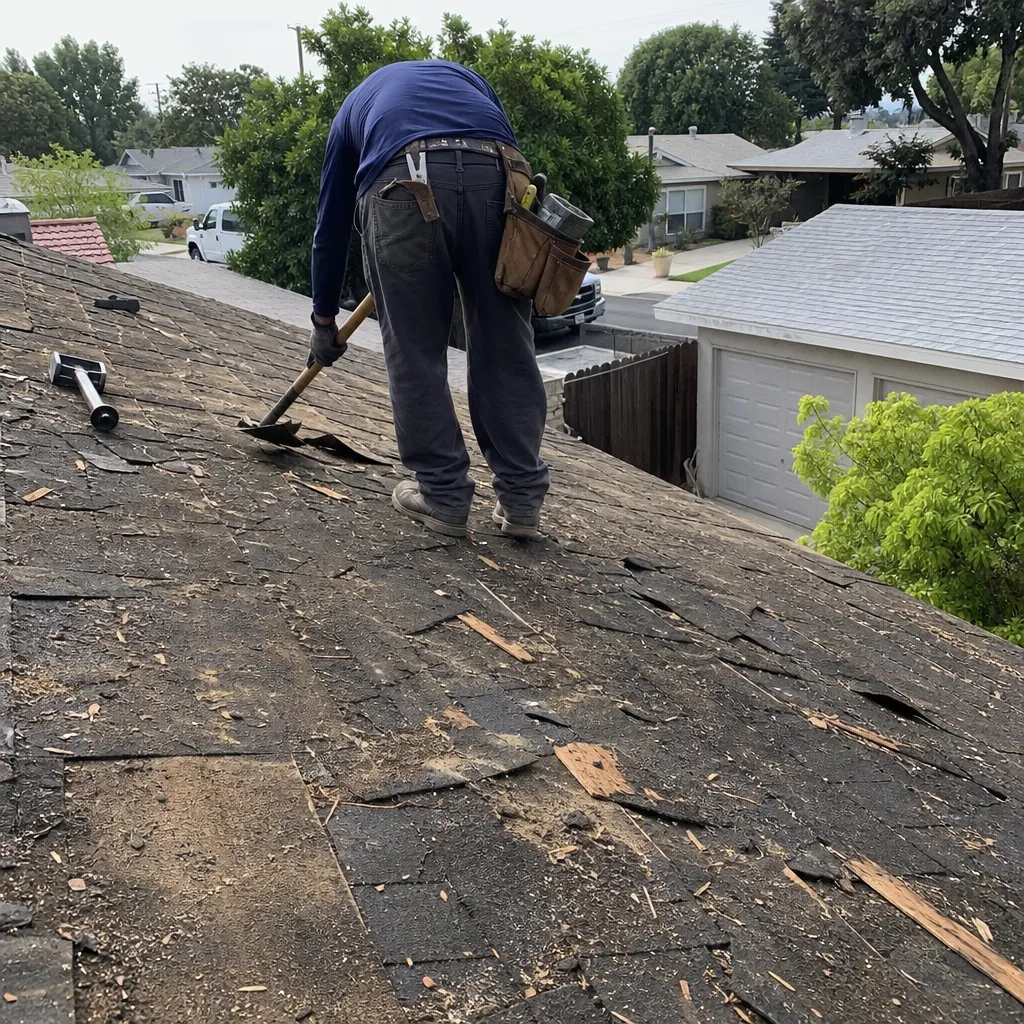 Before
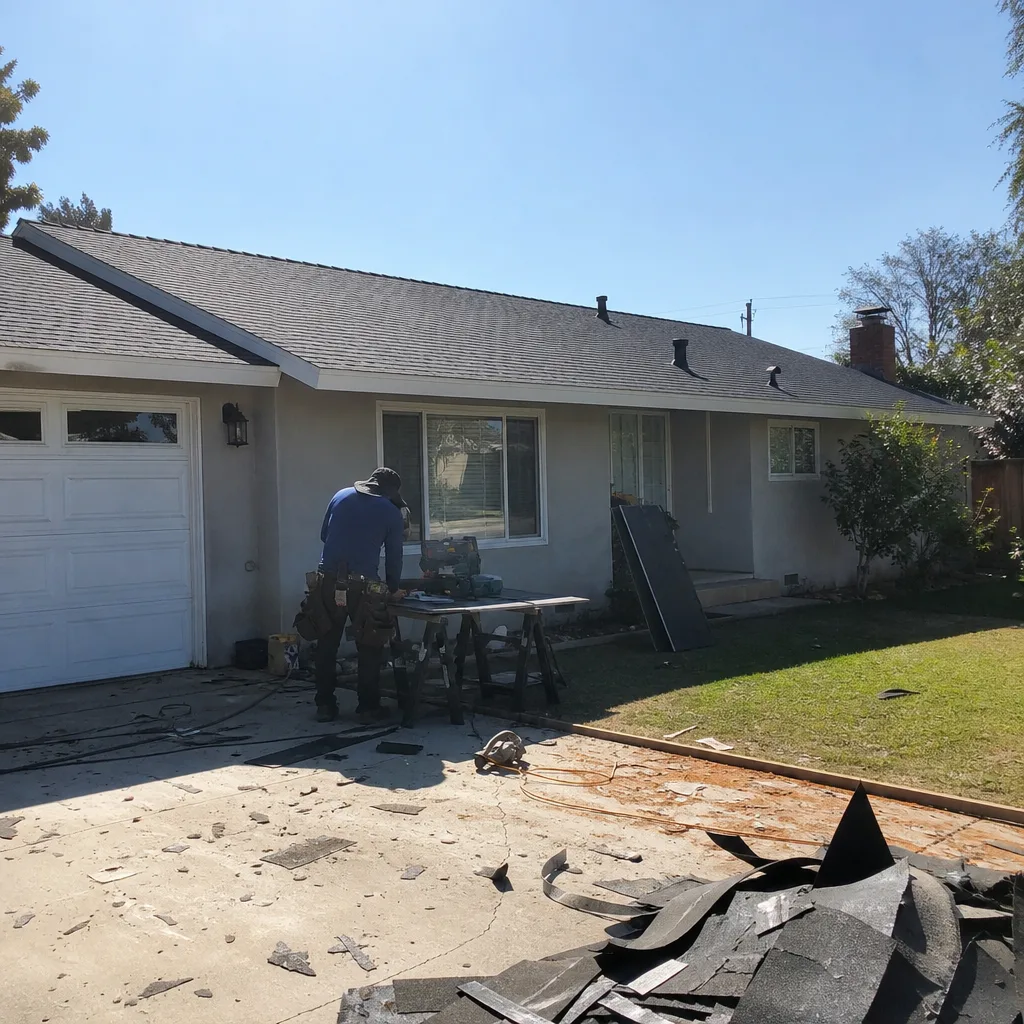 After
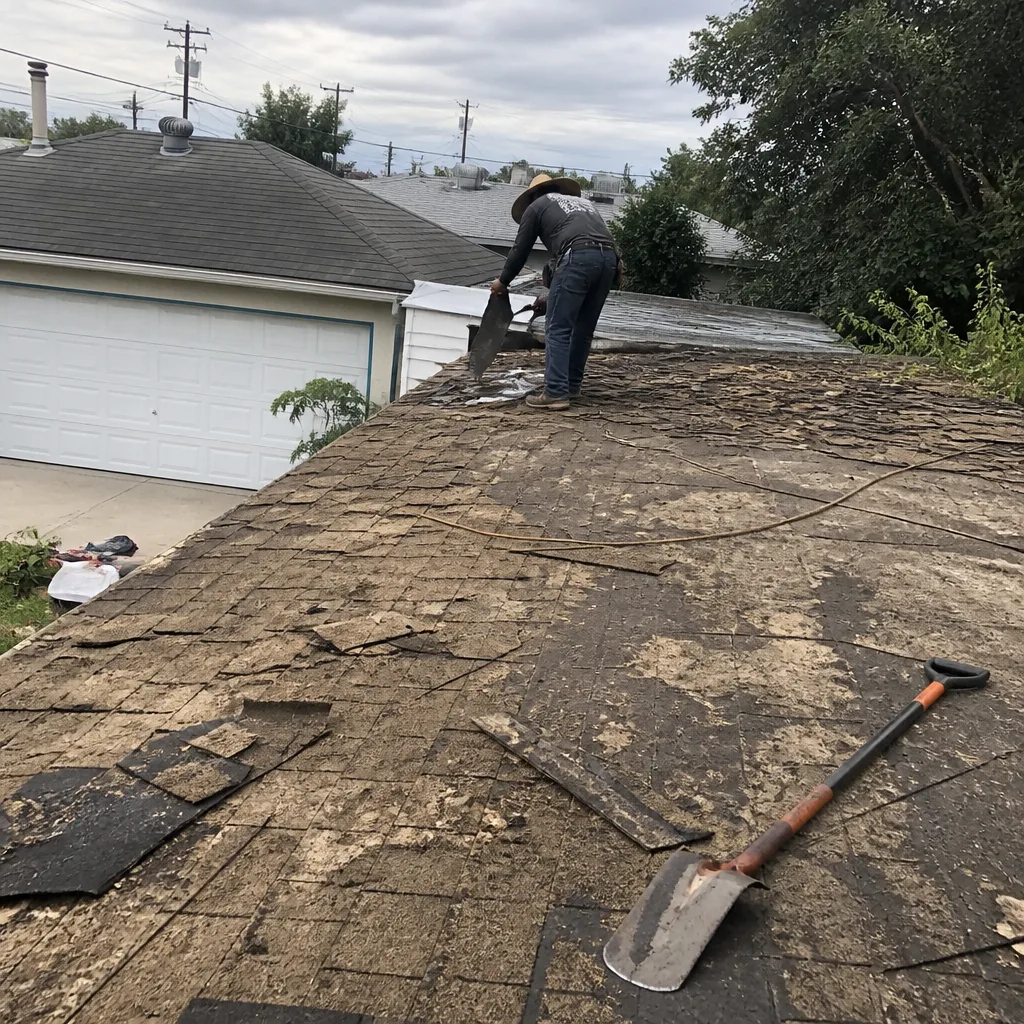 Before
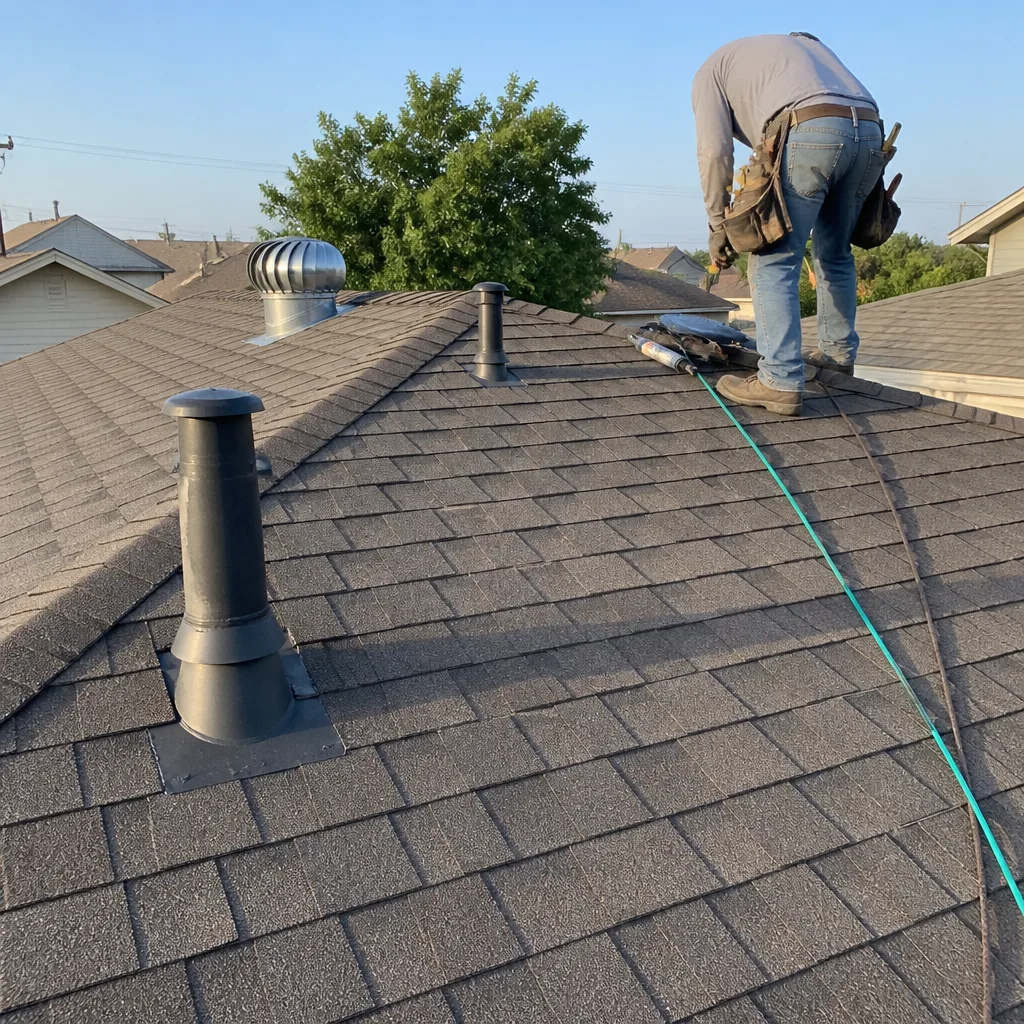 After
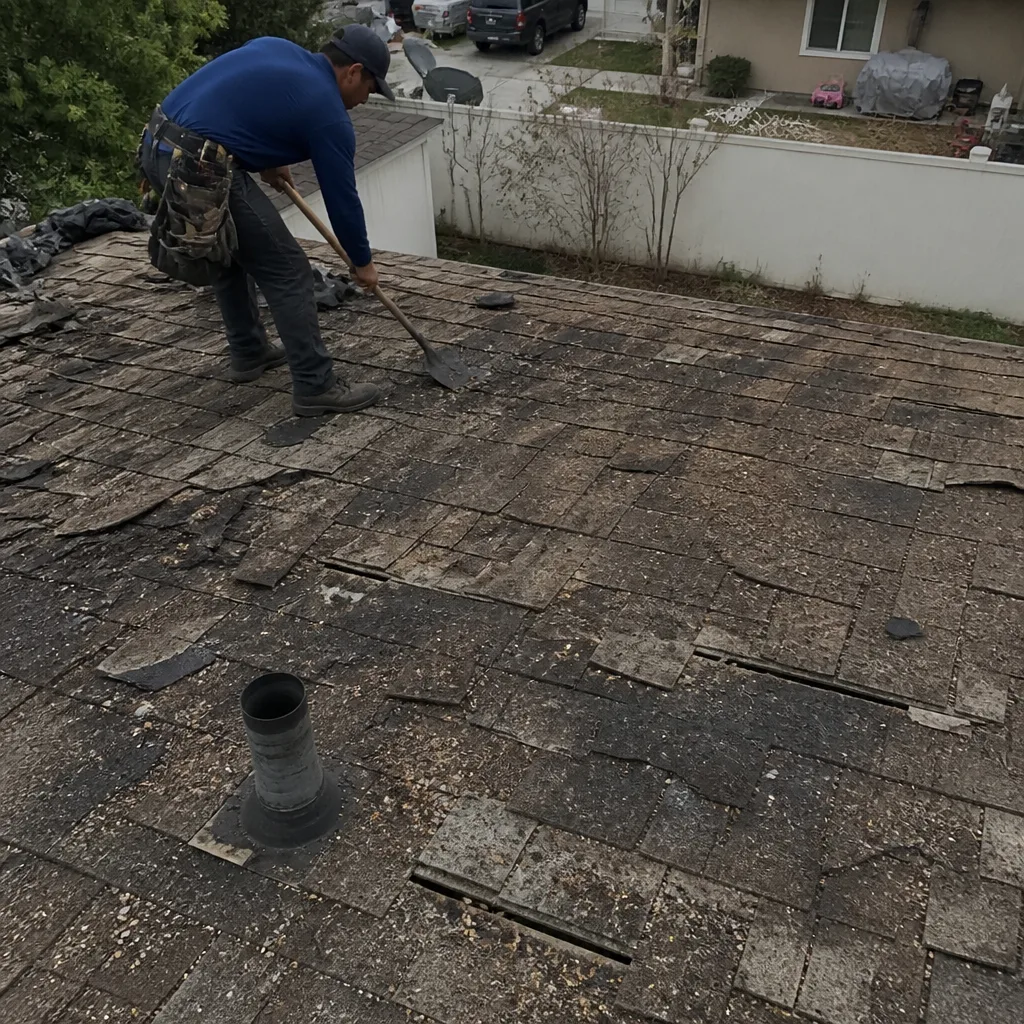 Before
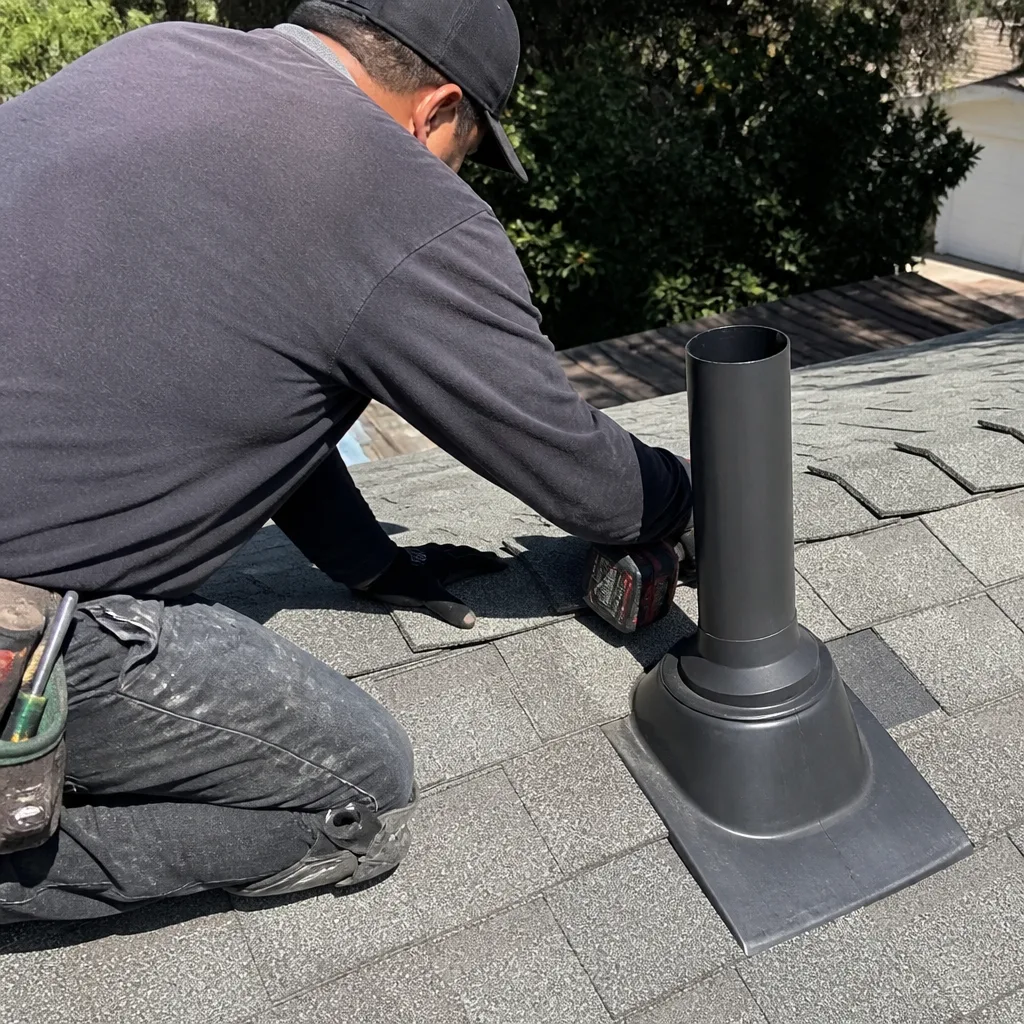 After
When to Call a Professional
If your project involves a full roof replacement, structural decking work, or any modification to the roof structure in Pomona, you need a licensed contractor who pulls permits on your behalf. The same applies if you’re buying or selling a home and discover a permit gap on the roof; an experienced contractor can help you understand what’s needed to bring the property into compliance. Even for repair work that falls below the permit threshold, a professional roof inspection before the work scopes the right repair and prevents small problems from becoming replacement-level issues. Millstone Roofing offers free estimates in Pomona, call (855) 341-6021 to get a documented, inspection-based assessment of your roof and a straight answer about what your project needs.
Frequently Asked Questions
Yes, a full roof replacement in Pomona requires a building permit from the City of Pomona Building Division. Permits for roof replacement are required when more than 50% of the roof covering is being removed, and always required when any structural decking is being replaced.
A typical single-family roof replacement permit in Pomona ranges from $400 to $800, depending on the valuation of the work and whether plan review is required. Your contractor can provide an exact figure when the permit application is prepared; call (855) 341-6021 for a free estimate that includes permit costs.
Unpermitted roofing work typically surfaces during escrow when the buyer’s inspector or lender flags the discrepancy between the roof’s apparent age and the permit record, after which you’ll either need to pull a retroactive permit or credit the buyer for compliance costs. In Pomona, permit records are searchable by address, so the gap is difficult to hide.
Title 24 cool-roof requirements apply to full re-roofing projects and significant repairs, but not to minor patching below the permit threshold. If your project requires a permit in Pomona, assume Title 24 compliance documentation will be part of the package.
Yes, and that’s exactly how it should be done. A licensed Pomona roofing contractor pulls the permit under their own license and name, which keeps compliance responsibility and worker injury liability with the contractor, not the homeowner.
A straightforward roof replacement permit in Pomona typically takes 5 to 10 business days to issue. Repair permits can issue faster, while projects requiring plan review may take 3 to 4 weeks, so plan your timeline accordingly before committing to a start date.
The Bottom Line
California’s roofing permit and code system exists to make sure that what’s hidden under your shingles, namely the decking, underlayment, flashing, and ventilation, is sound before it’s covered up. In Pomona, the process requires a permit for any full replacement, Title 24 cool-roof compliance on most re-roofs, and at least two inspections that verify the work at critical stages. The homeowner’s job is to make sure the contractor pulls the permit under their own license, uses compliant materials, schedules both inspections, and delivers the final sign-off documentation. Skipping any of this doesn’t save money; it stores up a future problem that will surface during a sale or, worse, after a winter storm finds the weak point your new roof was supposed to fix. When the work is done right, with the right materials and the right documentation, you get a roof that holds up for decades and a paper trail that proves it.
Written by the team at Millstone Roofing, serving Pomona since 2011.
Ready to get a straight answer about your roof? Call (855) 341-6021 to schedule your free estimate in Pomona.