
Last updated October 30, 2026
 Metal roofing
 Architectural shingles
 Tile roofing
 GAF
 Owens Corning
 Flat & low-slope
Free roof inspection with deck photos before we talk money - GAF and Owens Corning certified installation
Roofing Emergency Preparedness Guide for Pomona Homes
Most roofing damage that gets called an “emergency” after a Santa Ana wind event was actually set up weeks earlier by a loose ridge cap or lifted flashing. The emergency window is the thirty minutes of prevention before the wind hits, not the frantic calls after. Wind does not create weak spots on a Pomona roof. It exposes them. This guide gives you a pre-event preparation plan and two distinct response protocols: one for sudden structural failure during wind events, and one for slow-developing active leaks that show up when rain finally arrives. By the time you finish reading, you will know exactly what to do before, during, and after a roofing emergency in Pomona, and you will know which steps require a licensed contractor and which ones you can handle yourself.
Quick Answer
A roofing emergency in Pomona falls into one of two categories: sudden structural damage from high-wind events, or active water intrusion during rain. Before either happens, inspect your roof’s ridge caps, flashing, and eaves. When wind damage occurs, document everything, tarp the exposed area if safe, and call a licensed Pomona roofer. When a leak starts during rain, contain the water inside first, then call for a professional inspection once the storm passes. Emergency repairs stop active water intrusion. Emergency replacement addresses structural compromise. Do not confuse the two, because confusing them leads to overspending or under-responding.
Styles & brands we work with
Table of Contents
- Why Pomona Roofs Fail in Santa Ana Winds
- The 30-Minute Pre-Wind Inspection for Pomona Homes
- Active Leak Triage: What to Do When Water Is Coming In
- What Temporary Roof Tarping Actually Accomplishes (and What It Does Not)
- Documenting Storm Damage for Your Insurance Claim in the First 24 Hours
- Emergency Repair vs. Emergency Replacement: Knowing the Difference
- How to Find a Legitimate Emergency Roofer in Pomona
- Common Mistakes to Avoid
- When to Call a Professional
- Frequently Asked Questions
Why Pomona Roofs Fail in Santa Ana Winds
Pomona sits in a geographic position that makes its roofs work harder than most Southern California homeowners realize. The Santa Ana winds that sweep through the San Gabriel Valley in the fall and winter months routinely hit sustained speeds of 30 to 40 miles per hour, with gusts that can reach 60 or higher in exposed foothill areas like Phillips Ranch and the neighborhoods along the 57 corridor. Those winds do not hit roofs evenly. They pressurize one slope while depressurizing the other, creating a lifting force that works on every fastener, every shingle tab, and every flashing seam.
What we have seen consistently across Pomona roofs is that failure rarely starts at the field of shingles. It starts at the edges and the penetrations. Ridge caps, the shingles that run along the peak of your roof, are the first components to lift because they sit at the highest point of wind exposure. Flashing around chimneys, skylights, and roof vents is next, because metal expands and contracts at a different rate than the shingles around it. Satellite dish mounts and solar panel stanchions are common failure points too, especially on older installations where the original sealant has dried out and cracked. Tile roofs in Pomona, particularly the clay and concrete tile common in older neighborhoods like Lincoln Park and Wilton Heights, lose tiles at the eave edges first, because that is where wind gets under the tile profile and starts prying.
None of this happens overnight. A ridge cap that lifts in a 60-mile-per-hour gust had a compromised seal for weeks or months before the wind found it. Flashing that peels back during a storm was already loose. The wind is simply the reveal. Understanding this changes how you think about roofing emergencies in Pomona. You are not at the mercy of the weather. You are at the mercy of what was left unchecked before the weather arrived.
Prevention, then, is not a product you buy. It is an inspection habit you build. And the best time to build it is before the National Weather Service issues a high-wind advisory for the San Gabriel Valley, not after.
The 30-Minute Pre-Wind Inspection for Pomona Homes
The most valuable thirty minutes you can spend on your roof in Pomona are the thirty minutes before a high-wind advisory takes effect. You will not be able to repair anything in that window. That is not the goal. The goal is to identify what might fail so you can decide whether to call a professional before the wind does the work for you.
This is a ground-level or ladder-level visual inspection. Do not walk your roof. Walking on a tile roof in Pomona without the proper training and equipment cracks tiles, and walking on a steep composition roof without fall protection is how serious injuries happen. We inspect from the ground, from a ladder placed at the eave, or we use binoculars from the yard. Here is what you are looking for, and where:
Ridge Caps
Look along the peak of your roof. Ridge caps should sit tight against the roof surface with no visible gaps, no lifted edges, and no missing pieces. If you can see a ridge cap angle that looks raised compared to its neighbors, the seal is failing. If the ridge cap is visibly cracked or displaced, the wind will find it.
Flashing at Penetrations
Every chimney, plumbing vent, attic vent, skylight, and roof-mounted appliance has flashing around it. From your ladder, check that the flashing lies flat against the roof surface and the penetration. Look for gaps, peeling edges, or missing fasteners. In Pomona, the combination of hot summers and cool, damp winters causes sealant at flashing joints to crack and fail after a few seasons. A tube of roofing sealant applied to a loose flashing seam the day before a storm can be the difference between a dry bedroom and a water stain on the ceiling.
Eave Tiles and Shingle Edges
On tile roofs, check the bottom course of tiles at the eave. The eave tiles are the ones that catch the wind first. If any look misplaced, cracked, or missing, that is the failure starting. On composition shingle roofs, look at the shingle tabs along the eave and rake edges. Tabs that are curled, lifted, or missing expose the underlayment and decking to wind-driven rain.
Satellite Mounts and Solar Attachments
Satellite dishes and solar panel footings are notorious failure points on Pomona roofs. The original installers may not have been roofers. The sealant may not have been applied correctly, or it may have dried out years ago. Check these mounts for visible sealant breakdown, rust, or movement. A loose satellite dish flapping in a Santa Ana wind does not just leak. It can tear a hole in the roof if it breaks free.
Gutters and Debris Accumulation
While gutters themselves are beyond the scope of this guide, roof valleys and the areas behind gutters are not. Debris that accumulates at valley intersections prevents water from draining off the roof quickly. In a heavy Pomona winter rain, that backing water can travel up under the shingles and into the decking. Clear the valleys and the eave line of leaves, pine needles, and wind-blown debris before a storm front arrives.
If you find any of these warning signs, document them with your phone camera and call a licensed Pomona roofing contractor for a professional roof inspection in Pomona. A professional inspection before a storm costs far less than an emergency repair after one.
Active Leak Triage: What to Do When Water Is Coming In
When water is actively entering your home during a Pomona rainstorm, the first job is not to fix the roof. The first job is to contain the damage inside the house. Rooftop repairs during an active storm are dangerous and largely ineffective. Shingles and underlayment need dry conditions to seal properly, and walking a wet roof is how injuries happen. Here is the step-by-step protocol we recommend for Pomona homeowners:
- Contain the water at the ceiling. Place a bucket, trash can, or any large container directly under the drip. If the ceiling is bulging with water, do not stand under it. A water-saturated ceiling can collapse suddenly. Relocate furniture and valuables first, then address the water.
- Puncture the bulge, if one exists. If water is pooling in the drywall and the bulge is growing, puncture it with a screwdriver or nail to release the water in a controlled location. This prevents the water from spreading across the entire ceiling panel and collapsing a larger area. Place the bucket directly under the puncture point.
- Move electronics and important papers. Water travels through the path of least resistance. What starts as a drip in one room can move along the drywall and drip into another. Unplug electronics in the affected area. Move photos, documents, and anything else you do not want ruined.
- Document the leak. Use your phone to photograph and video the active leak, the water damage to the ceiling or walls, and the contents of the room. These photographs are the beginning of your insurance documentation file. Write down the time the leak started and where it started.
- Check the attic, if it is safe. If you have an accessible attic and can enter it safely, go up with a flashlight. Look for the point where water is entering the decking. You may be able to place a shallow container or plastic sheeting under the leak to redirect water away from the ceiling drywall. Do not climb around in an attic with wet insulation. Do not touch any electrical wiring. If you are unsure about anything, skip the attic and wait for a professional.
- Call a licensed Pomona roofer. Once the storm has passed and the roof has had a chance to dry, schedule a professional inspection. Any temporary fix you make is just that. The real repair requires finding the actual entry point, which is often not directly above the ceiling stain. Water travels along rafters and underlayment before it finds a seam to drip through.
We inspect first, every time. The leak you see in the living room ceiling may be entering the roof at a penetration fifteen feet away. The only way to know is to get on the roof, lift the shingles or tiles in the suspect area, and trace the water path. That is not a guess. That is a documented finding. Our roof repair service in Pomona begins with exactly this kind of inspection before any repair work is scoped.
What Temporary Roof Tarping Actually Accomplishes (and What It Does Not)
Temporary roof tarping is the most common emergency response after wind or rain damage in Pomona, and it is also the most misunderstood. A tarp is not a repair. A tarp is a temporary barrier that buys you time to schedule a proper repair or replacement. It prevents additional water intrusion while you wait for a contractor or while your insurance claim works its way through the system.
What a properly installed tarp does: it sheds water away from the exposed decking or underlayment, and it prevents wind from lifting additional shingles or tiles around the damaged area. A well-anchored tarp that extends well beyond the damaged zone and is secured along the ridge and the eave will hold through most standard Pomona weather events.
What a tarp does not do: it does not restore the structural integrity of your roof. It does not seal the decking against water. It does not address the underlying cause of the failure. And it is not a permanent solution for any amount of time. Tarps degrade under ultraviolet exposure. A tarp left in place for more than a few weeks will start to tear at the anchor points, especially when it is exposed to Santa Ana winds. A tarp that fails during a follow-up storm is worse than no tarp at all, because it gives a false sense of protection.
If you are considering tarping your own roof after an emergency, we have one piece of advice: do not. Rooftop work after a storm is dangerous even for experienced crews. Wet decking is slippery. Damaged structure may not support your weight. Edge protection is nonexistent on most residential roofs. The risk of a fall is not worth the money you are trying to save. If you need a tarp in Pomona, call a licensed contractor who carries proper fall protection equipment and workers’ compensation insurance.
Documenting Storm Damage for Your Insurance Claim in the First 24 Hours
The first twenty-four hours after a roofing emergency in Pomona are when your insurance claim is won or lost. Adjusters were not there when the wind hit. They did not see the water coming through the ceiling. They rely on the documentation you create in the hours immediately after the event. Here is exactly what to document, and how:
- Photograph everything before you move anything. Take wide shots that show the entire affected area in context, then take close-ups of the specific damage. Photograph the interior water damage, the exterior roof damage, and any debris that fell from the roof. If there are visible missing shingles or tiles, photograph them from the ground and from a ladder if you can do so safely.
- Create a written timeline. Write down what happened, when it happened, and what you observed. Start with the weather event: the wind speed you experienced or saw reported, the rain intensity, the time it started and stopped. Then document what you found inside: the time you noticed the leak, the location, the severity.
- Keep a log of any mitigation steps you took. Did you place buckets? Puncture a ceiling bulge? Move furniture? Make a note of every action with a timestamp. Insurance policies generally require you to take reasonable steps to prevent further damage. Documenting those steps shows you did.
- Save all contractor correspondence. If you call a roofing contractor for an emergency tarp or inspection, save every email, text, and phone-call note. If a contractor tells you the damage is worse than it looks, get that in writing. Adjusters listen to written professional assessments more than they listen to homeowner descriptions.
- File your claim promptly. Most homeowners insurance policies require prompt notice of a loss. The sooner you file, the fresher the evidence, and the less likely the insurer is to question whether the damage was pre-existing.
One thing we see repeatedly in Pomona: homeowners who wait too long to document. The leak happened on a Tuesday, the homeowner calls us on a Friday, and by then the water stain has dried, the insulation has settled, and the evidence is less obvious. Document the day it happens, even if you are not ready to call anyone yet.
When you do call a contractor for an inspection after storm damage, ask for a written report. We provide documented findings from every roof inspection in Pomona we perform, which gives you a professional assessment you can hand directly to your adjuster.
Emergency Repair vs. Emergency Replacement: Knowing the Difference
Nothing drives post-storm overspending in Pomona like the conflation of emergency repair and emergency replacement. They are not the same thing, and treating them as interchangeable leads homeowners to either spend five figures on a roof that needed a five-hundred-dollar repair, or to spend five hundred dollars on a repair that failed because the roof needed a full replacement.
An emergency repair stops active water intrusion. It addresses a localized failure: a single missing shingle, a lifted flashing seam, a punctured underlayment at a satellite mount. The roof’s overall structure and the field of shingles or tiles remain sound. The repair is targeted, the cost is commensurate, and the roof continues to perform for the remainder of its service life.
An emergency replacement addresses structural compromise. If the decking has failed in multiple locations, if the underlayment has deteriorated across the entire roof surface, if the tile profile is compromised at the eaves and the ridge, then patching individual areas is throwing money at a roof that is already done. The structural integrity is gone, and no amount of targeted repair will bring it back.
How do you know which one you have? You do not guess. That is what the inspection is for. We have looked at Pomona roofs after Santa Ana events where the visible damage was three missing tiles at the eave, but the inspection revealed failed underlayment across the entire south-facing slope. The three missing tiles were just the first pieces to go. The real story was a roof that had been aging silently for years. Conversely, we have inspected roofs where a dramatic-looking section of lifted shingles turned out to be a simple nail-pop issue that a single day of repair resolved completely.
Repair when repair is right. Replace when replacement makes sense. A contractor who does not inspect first is not giving you a recommendation. They are giving you a sales pitch. Our roof replacement service in Pomona is always preceded by an inspection that documents exactly why replacement is necessary, not just that it is.
How to Find a Legitimate Emergency Roofer in Pomona
After every major wind event or heavy rain in Pomona, out-of-town roofing crews appear. They knock on doors. They leave flyers. They offer to get on your roof the same day for a “free assessment” that turns into a high-pressure sales pitch. Some of these crews are legitimate contractors working the storm circuit. Others are unlicensed operators with no insurance, no local presence, and no accountability. Here are the three things to verify before anyone gets on your roof:
One: California Contractor License
Every legitimate roofing contractor in Pomona must hold a valid California State License Board (CSLB) contractor’s license with the C-39 roofing classification. The license number must be printed on all advertising, including flyers and door hangers. Verify the license number on the CSLB website. Check that the license is active, that the classification is C-39, and that the license has no unresolved complaints or disciplinary actions. If a contractor cannot produce a license number, or if the number does not check out, do not let them on your roof.
Two: Insurance and Workers’ Compensation
Any legitimate Pomona roofing company carries general liability insurance and workers’ compensation coverage. Workers’ compensation is non-negotiable in California. If a crew member falls off your roof and the contractor does not carry workers’ comp, you could be held liable. Ask for a certificate of insurance. Verify that the policy is current. A legitimate contractor will provide this documentation without hesitation.
Three: Local Pomona Presence
A local Pomona roofing company has a local address, a local phone number, and a local reputation. They will be here next month if something goes wrong with the repair. The out-of-town storm chasers will be in Arizona or Nevada. Ask how long the company has been serving Pomona. Ask for local references. One crew, one company, from the first inspection to the final shingle, is not a marketing slogan. It is the difference between accountability and a disappearing act.
We keep seven material lines in stock: GAF, CertainTeed, Owens Corning, IKO, Atlas, and Tamko, along with Boral for tile profiles. The right material for your roof, not the easiest one for us to keep on hand. That matters after a storm, because the material that matches your existing roof may not be the one a single-brand contractor happens to carry.
Common Mistakes to Avoid
- Waiting until the wind starts to inspect the roof. Pomona homeowners who only think about their roof during a storm are always reacting. The ridge cap that lifted in a Santa Ana gust was checkable weeks earlier. The inspection habit is what separates a small pre-storm repair from a full emergency response.
- Walking on a wet or steep roof without training. Falls from roofs are among the most common and most serious home injuries. If you cannot inspect something safely from the ground or a ladder, it is time to call a professional. No roof issue is worth a broken pelvis.
- Tarping the roof without anchoring it properly. A poorly anchored tarp becomes a sail in the next wind event. It can tear off, damage additional shingles, and injure someone below. If a tarp is needed, have a professional install it with proper anchoring.
- Calling the first contractor that knocks on the door after a storm. Storm chasers target Pomona after every wind and rain event. They know homeowners are stressed and want the problem solved immediately. Verify the license, verify the insurance, and verify the local presence before anyone gets on the roof.
- Filing an insurance claim without documentation. An adjuster who arrives at a Pomona home two weeks after a storm sees a dry roof and a faint water stain. The claim will not reflect what happened. Photograph, document, and log everything in the first twenty-four hours.
- Conflating repair and replacement. A three-tile repair is not a roof replacement. A structurally compromised roof is not fixable with a patch. The inspection is what tells you which situation you are in. Guessing is how you overspend or under-respond.
- Ignoring small leaks because the rain stopped. The water stain on the ceiling after a Pomona winter storm is the visible evidence of a leak that will return with the next rain. The roof did not fix itself. The entry point is still there. Every day it goes unaddressed, the decking absorbs more moisture.
When to Call a Professional
Call a licensed Pomona roofing contractor if you find lifted ridge caps, failed flashing, displaced tiles, or any other sign of pre-storm vulnerability. Call if you have an active leak that you cannot locate from the attic. Call if the storm has passed and you suspect the damage is more extensive than what you can see from the ground. Call if your insurance adjuster has asked for a professional assessment. Call if you tried a temporary fix and the leak has returned. Do not call a roofer to walk a wet roof during an active storm; call them the moment the weather clears so the repair can be scheduled before the next front arrives. Millstone Roofing offers free estimates in Pomona. Call (855) 341-6021 to schedule a professional inspection today.
Frequently Asked Questions
Place a bucket under the drip and puncture any bulging ceiling to release water in a controlled spot. Move electronics and valuables away from the affected area, photograph the damage, and check the attic if it is safe. Do not attempt rooftop repairs while it is raining. Call a licensed Pomona roofer once the storm passes. Millstone Roofing can schedule your roof repair in Pomona as soon as the weather clears. Call (855) 341-6021.
Emergency roof repairs in Pomona typically range from $350 to $1,200 for a localized fix like a missing shingle, a lifted flashing seam, or a puncture at a satellite mount. Extensive repairs that involve multiple areas or underlayment replacement run higher. The exact cost depends on what the inspection reveals. Every recommendation we make comes with documented findings, so you know exactly what you are paying for. Call (855) 341-6021 for a free estimate.
Homeowners insurance typically covers sudden and accidental roof damage from wind, falling debris, or fire, minus your deductible. It generally does not cover damage from gradual wear, neglect, or age-related deterioration. Document everything in the first twenty-four hours, keep a written timeline, and save all contractor correspondence. A professional inspection report from a licensed Pomona roofer strengthens your claim.
You can, but we do not recommend it. Wet roofs are slippery, damaged decking may not hold your weight, and a fall from even a single-story roof causes serious injury. A professional tarp installation runs a few hundred dollars. A fall costs far more. If you need a tarp in Pomona, call a licensed contractor who carries fall protection and workers’ compensation insurance.
A temporary tarp in Pomona is designed to hold for a few weeks at most. UV exposure breaks down tarp material, and Santa Ana winds put constant stress on the anchor points. A tarp left in place for months will eventually fail, and a failed tarp means water intrusion. Schedule a permanent repair as soon as your insurance claim is approved or your budget allows.
You do not guess. You inspect. An emergency repair addresses a localized failure. An emergency replacement addresses structural or widespread deterioration. The only way to know which one you have is a professional inspection that documents the roof’s condition, the extent of the damage, and the remaining service life of the roof system. That is how we approach every roof replacement in Pomona: inspection first, recommendation second. Call (855) 341-6021 to schedule yours.
The Bottom Line
A roofing emergency in Pomona is usually the result of neglect, not sudden misfortune. The loose ridge cap, the cracked flashing, the failed satellite sealant: these existed before the wind found them. The emergency was created in the weeks before the storm, and the response is to build a habit of inspection. When an emergency does occur, separate repair from structural replacement, document everything for your insurance claim, and verify that any contractor you hire is licensed, insured, and local to Pomona. The right preparation makes a storm manageable. The right response makes the recovery quick. The right contractor makes the repair permanent.
Written by the team at Millstone Roofing, serving Pomona since 2011.
See the difference
 Before
 After
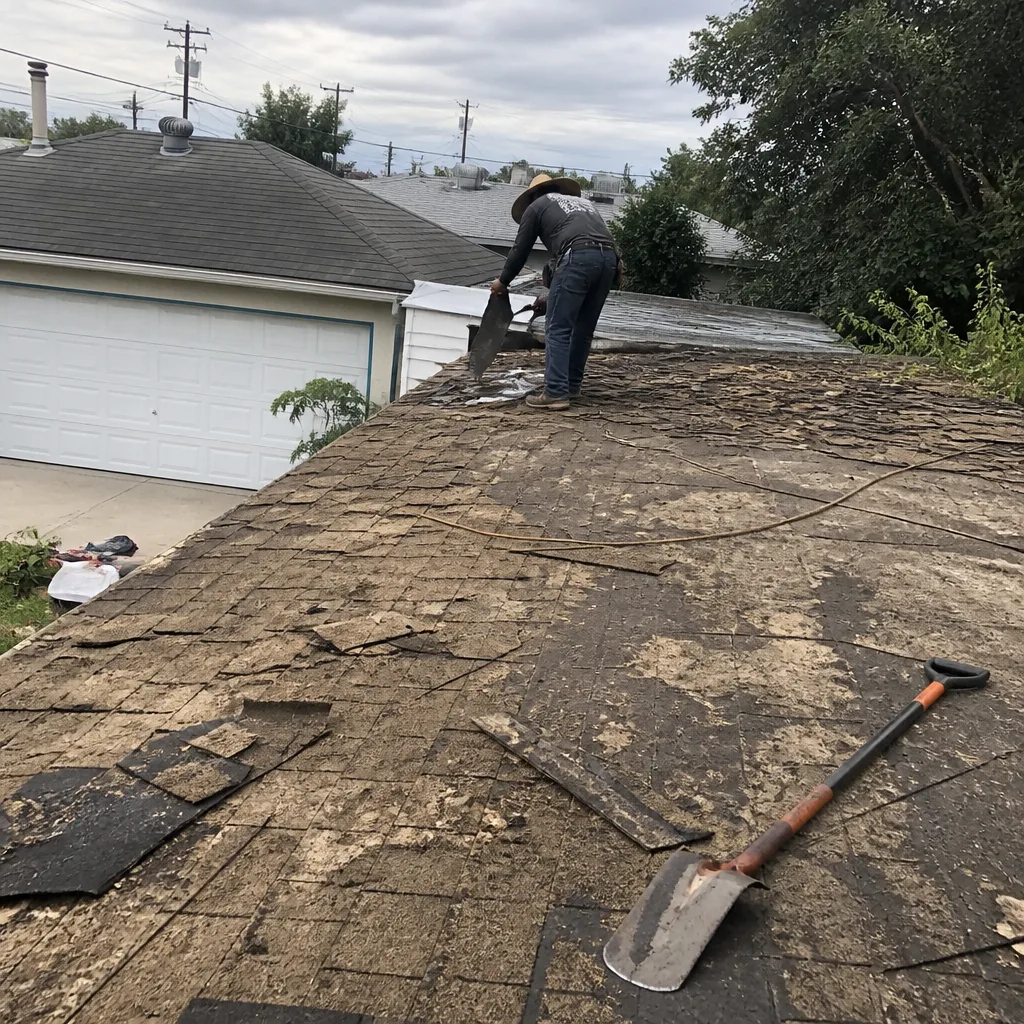 Before
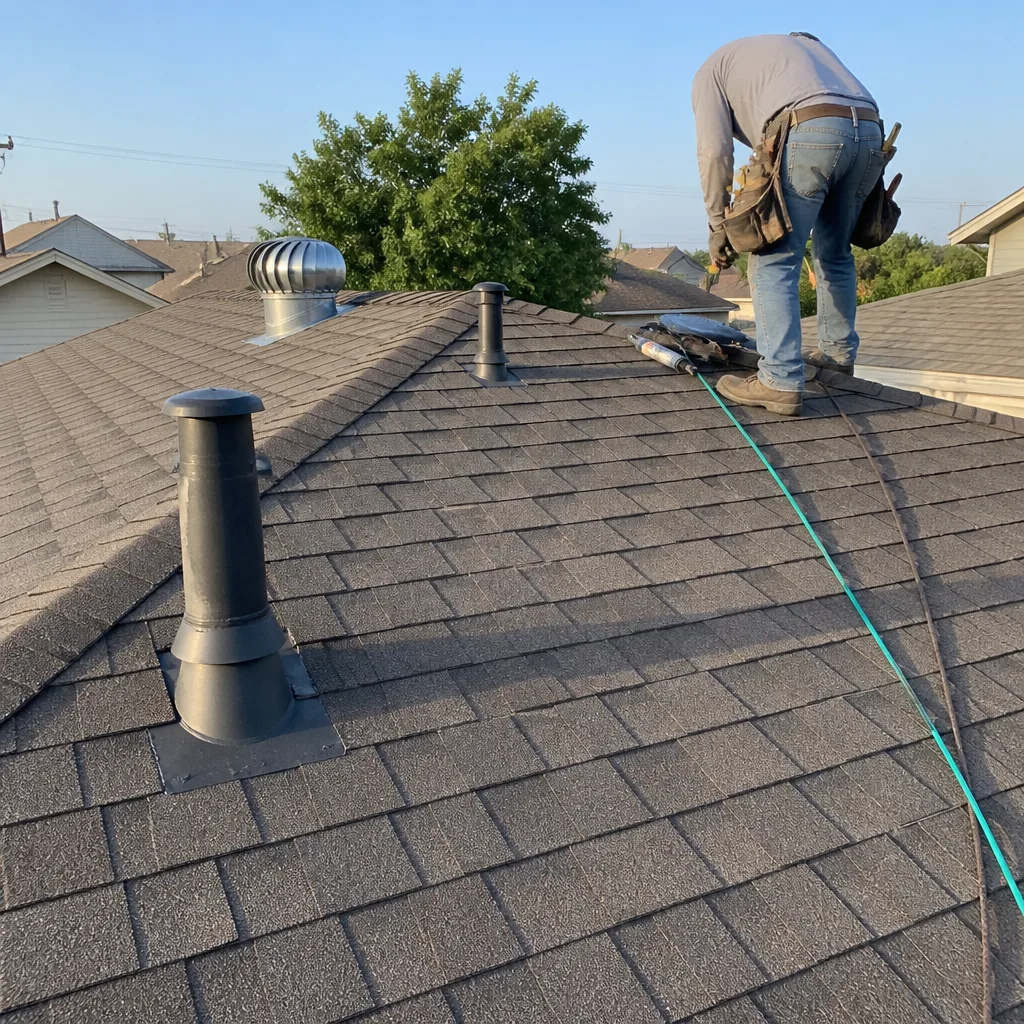 After
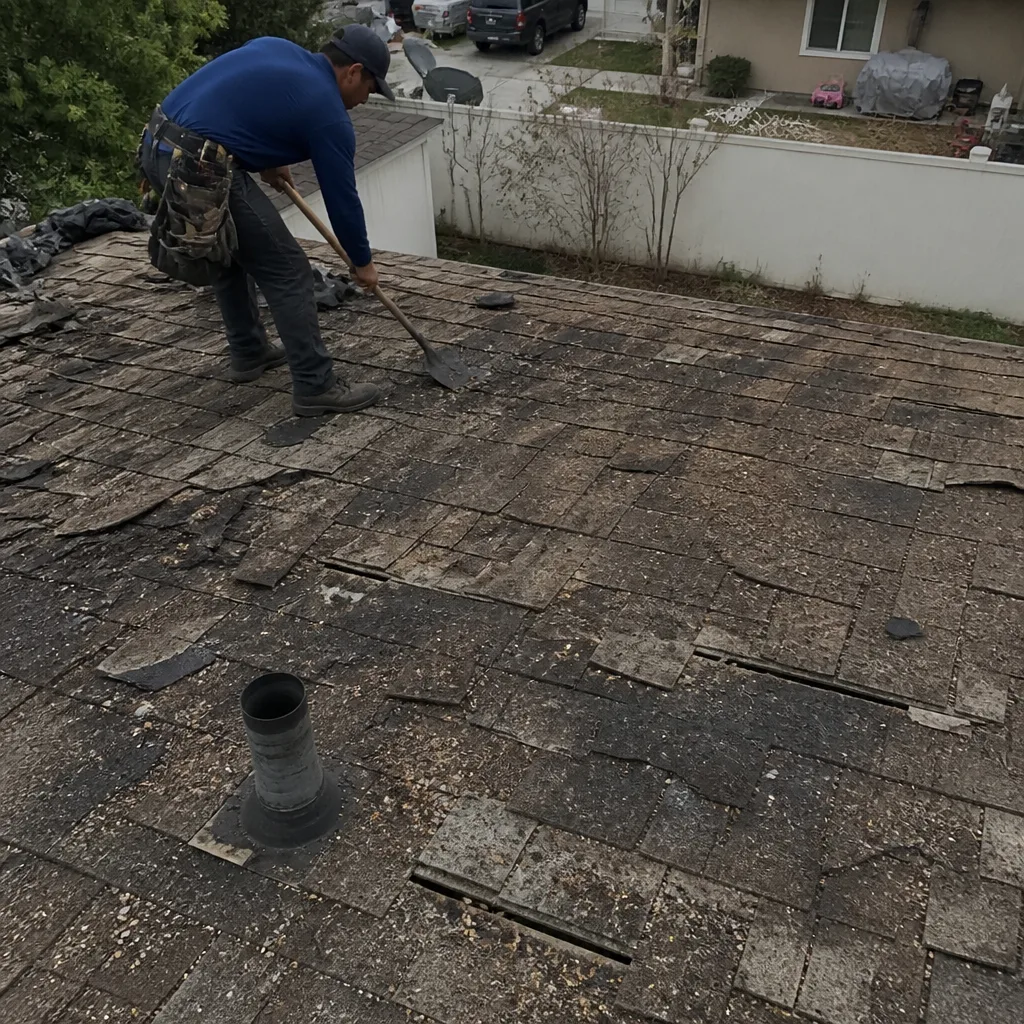 Before
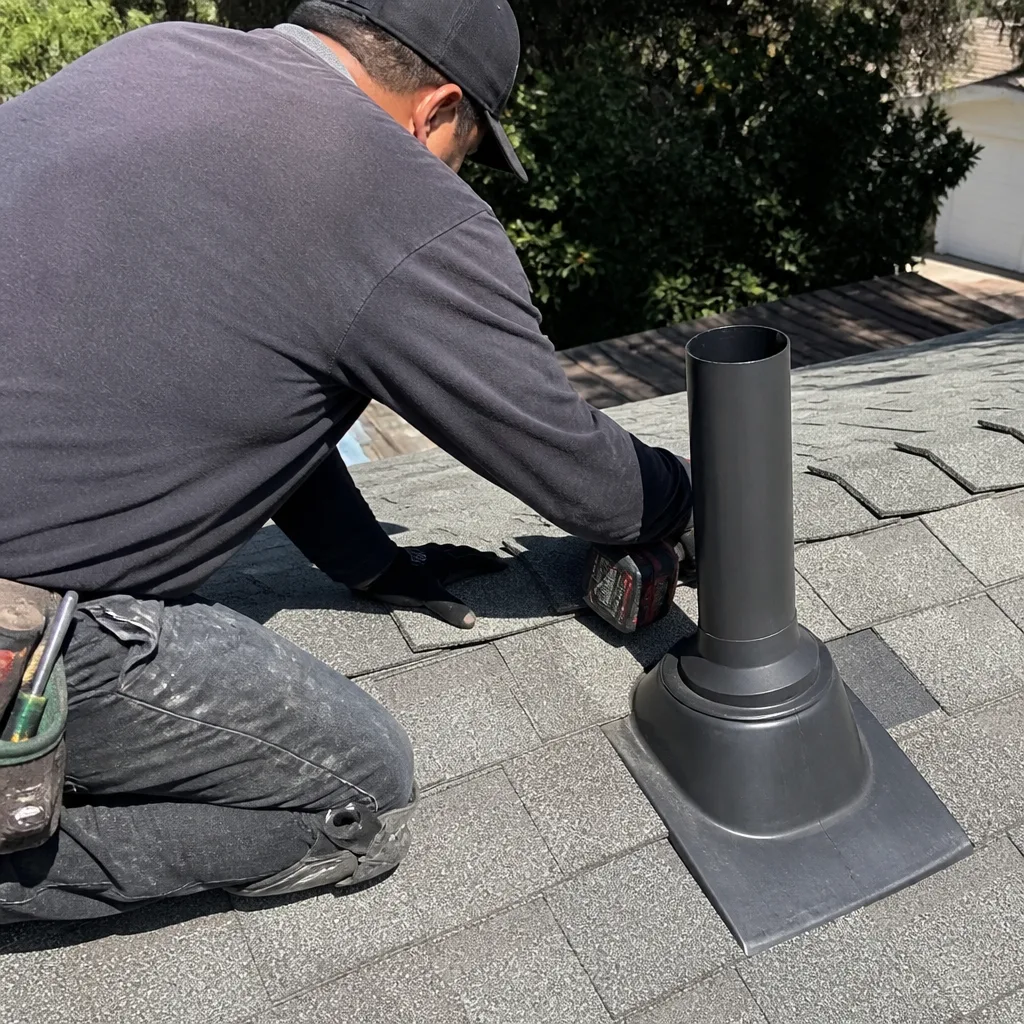 After