Last updated October 30, 2026
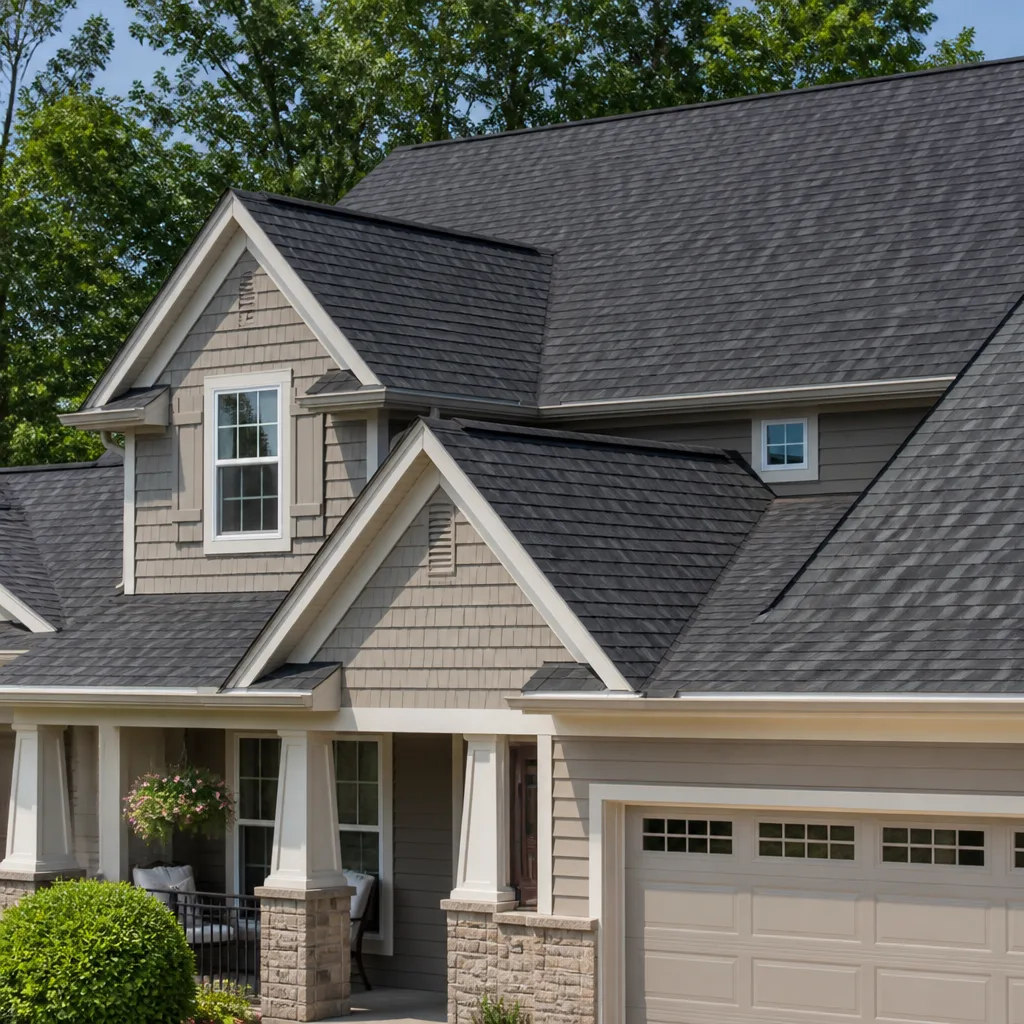 Architectural shingles
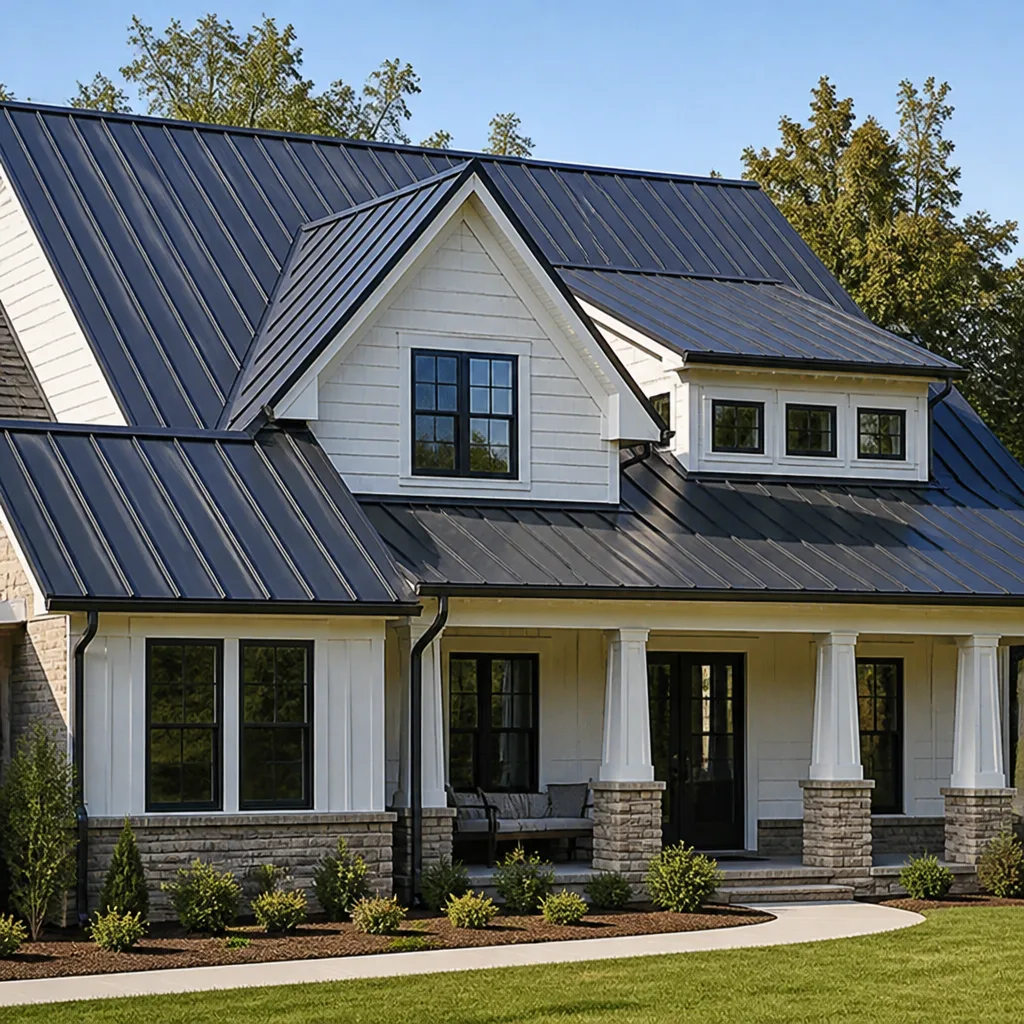 Metal roofing
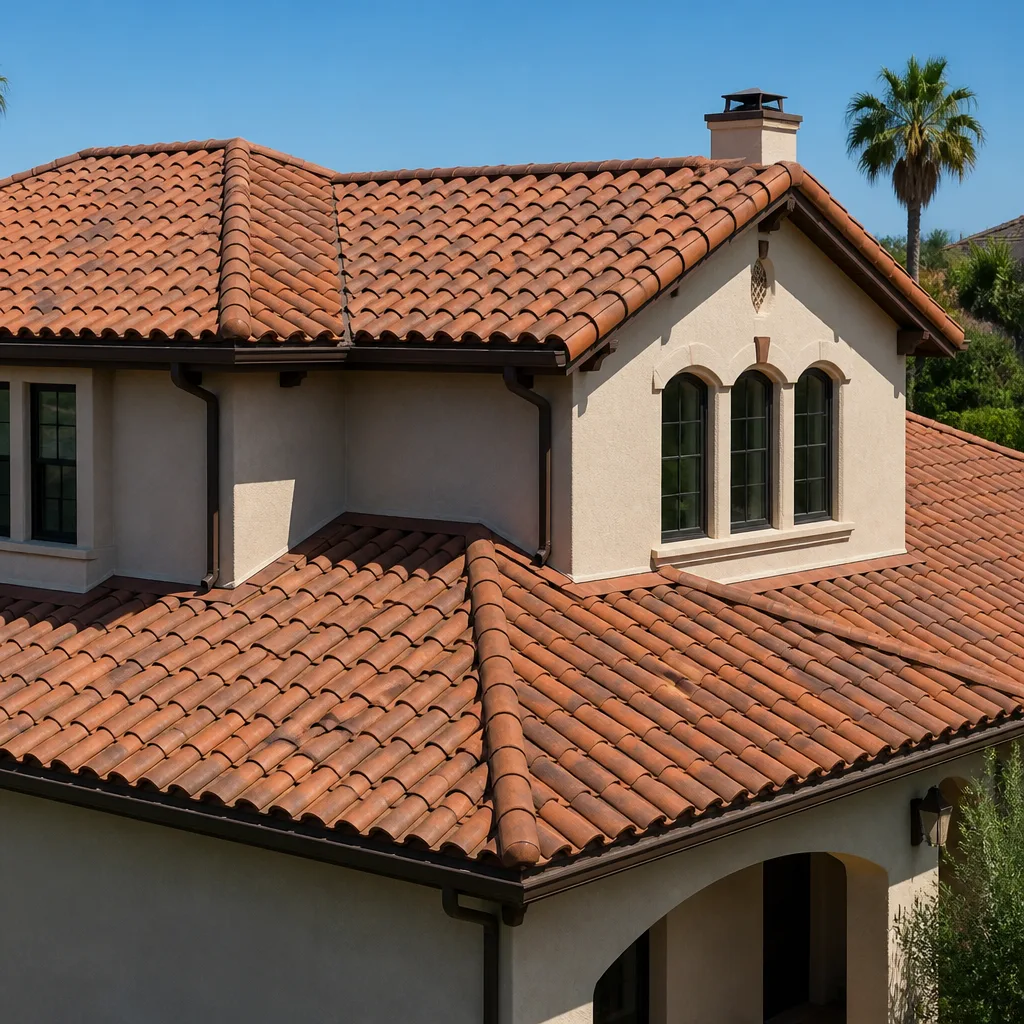 Tile roofing
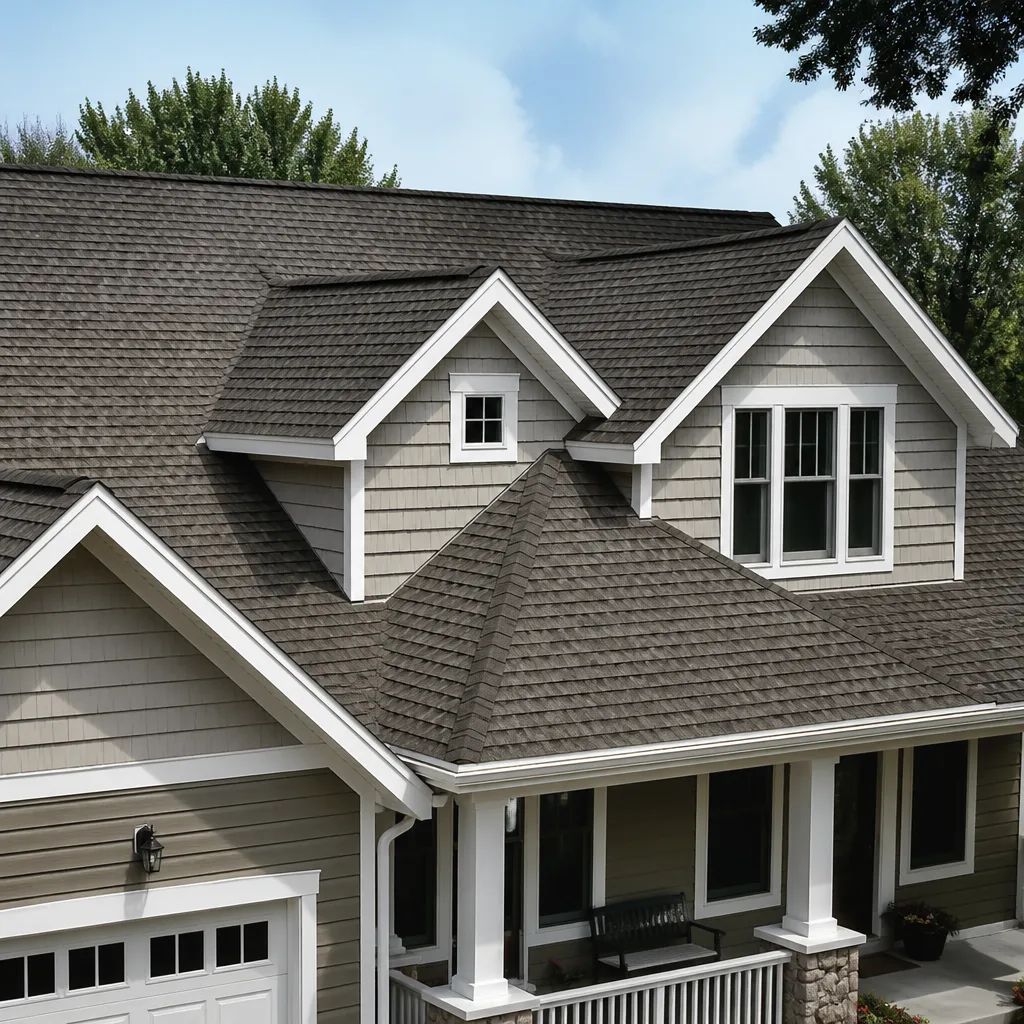 GAF
 Owens Corning
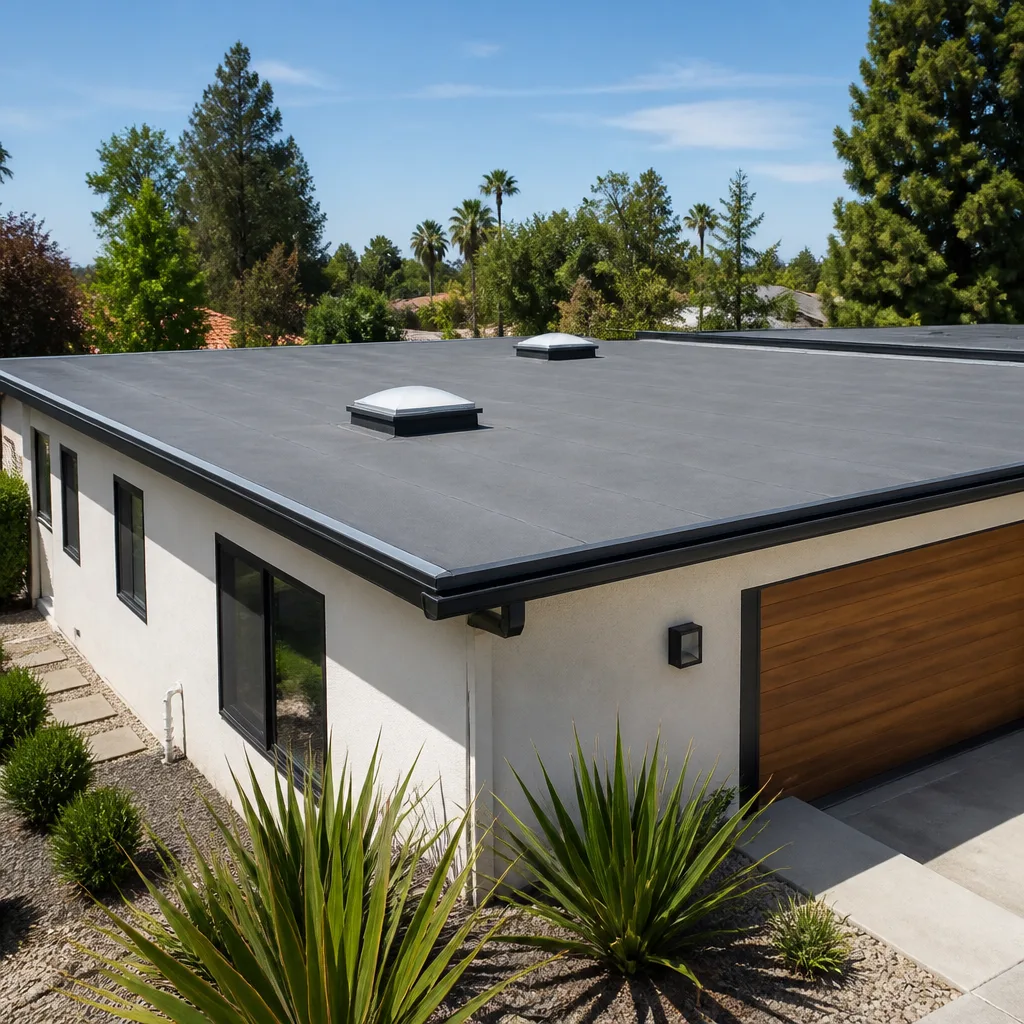 Flat & low-slope
Free roof inspection with deck photos before we talk money - GAF and Owens Corning certified installation
The Complete Roof Repair Guide for Pomona Homeowners
Most roof repair guides are written for Seattle or Florida. Pomona gets neither the constant rain nor the humidity – it gets something harder to plan for: long dry heat followed by sudden, violent weather that hits an already stressed roof. The Santa Ana winds don’t just blow leaves around; they rip at shingle edges that months of 100-degree sun have baked brittle. And when the rain finally comes, it arrives fast and finds every crack the heat opened up. This guide maps that specific damage sequence to real repair decisions, material by material, so Pomona homeowners know exactly what they’re looking at when they climb the ladder or call a contractor for our Roof Repair services.
Styles & brands we work with
Quick Answer
Roof repair in Pomona means addressing damage caused by a heat-dry-then-storm cycle: cracked flashing, dried-out underlayment, lifted shingles, and wind-driven tile displacement. The right fix depends on your roof material – asphalt shingles often allow targeted spot repairs, while tile and flat roofs more frequently require full section replacement. A legitimate repair quote always starts with a documented roof inspection, not a salesman’s clipboard. For How to Hire a Roofing Contractor in Pomona: A Step-by-Step Guide, start with verification.
Table of Contents
- Pomona’s Damage Pattern: Why Local Roofs Fail Differently
- The Material-by-Material Repair Decision Tree
- What a Legitimate Pomona Roof Inspection Documents
- Repair or Replace: The Honest Math
- Pomona Permit Rules for Roof Repairs
- What Roof Repair Costs in Pomona
- How to Hire a Pomona Roofing Contractor Without Getting Burned
- Common Mistakes to Avoid
- When to Call a Professional
- Frequently Asked Questions
- The Bottom Line
Pomona’s Damage Pattern: Why Local Roofs Fail Differently
Pomona sits in a heat pocket. Summer temperatures regularly top 100°F, and the ultraviolet exposure at this latitude is brutal on roofing materials. Asphalt shingles don’t just get hot – they cook. The oils that keep them flexible evaporate over years of sustained heat, leaving the shingle surface brittle and prone to cracking at the edges. That’s the first stage of the Pomona-specific damage cycle: thermal stress without moisture relief.
Then comes October. The Santa Ana winds arrive from the northeast, gusting through the San Gabriel Valley at speeds that routinely exceed 40 mph. Those winds don’t need a storm front to cause damage. A 45 mph gust hitting a sun-brittled shingle edge is enough to lift it, tear it, or leave it flapping. In neighborhoods like Phillips Ranch and Westmont, we’ve seen wind-driven shingle loss concentrated along ridgelines and gable edges – the exact spots where heat already did its work.
The third hit is rain. Pomona averages around 17 inches per year, but it doesn’t arrive gently. It arrives in bursts – atmospheric river events that dump half a season’s moisture in 48 hours. When that water hits a roof with cracked flashing and deteriorated underlayment, it doesn’t need a visible hole to get inside. It finds the micro-gaps the heat and wind created.
That’s the sequence: heat dries it out, wind opens it up, rain exploits it. A generic repair guide written for wet climates misses the first two stages entirely and wonders why the third keeps happening.
The Material-by-Material Repair Decision Tree
Different roofing materials fail differently in Pomona’s climate, and the repair logic changes accordingly. Here’s the honest breakdown, organized by what’s actually on Pomona roofs.
Asphalt Shingles: Spot Repair Is Usually Viable
Asphalt shingles – whether architectural or three-tab – are the most repairable roofing material on the market. A single cracked or missing shingle doesn’t condemn the roof. It condemns that shingle. The repair involves removing the damaged piece, checking the underlayment below, and installing a replacement that matches the existing profile.
That said, there’s a line. If you’re replacing more than 10 – 15% of the shingles on a single roof slope, or if the shingles are showing granule loss across the entire field, spot repair becomes whack-a-mole. The material is telling you it’s at the end of its service life. In Pomona’s heat, asphalt shingles rarely reach their full 30-year rated lifespan – 18 to 22 years is more realistic before the thermal degradation compounds.
We stock GAF, CertainTeed, Owens Corning, and IKO among our material lines, which means when a repair calls for a specific shingle match, we’re not locked into a single manufacturer’s inventory. The right material for your roof, not the easiest one for us to stock.
Concrete and Clay Tile: Section Replacement, Not Tile Swaps
Pomona has a significant number of homes with concrete and clay tile roofs, particularly in the older neighborhoods north of the 10 and around Ganesha Hills. Tile roofs present a different repair logic. A single cracked tile can sometimes be replaced individually, but the real problem with tile roofs is rarely the tile itself. It’s the underlayment underneath.
Tile is porous. Water gets under it, and in a properly functioning system, the underlayment channels that water to the eaves. But in Pomona’s heat, underlayment dries out and cracks over decades, and once it fails, no amount of tile replacement fixes the leak. If your tile roof is 25 years old or older and you’re seeing leaks, the honest repair is a full section lift-and-relay: remove the tile, replace the underlayment, reset the tile. That’s not a spot repair quote – it’s a section replacement, and any contractor who quotes it as a tile swap is guessing.
Flat Roofs: Patch, Then Plan
Flat and low-slope roofs appear on many Pomona commercial buildings and a subset of mid-century residential homes, especially in the areas around the Pomona Fairplex. Flat roofing materials – modified bitumen, TPO, PVC – fail differently than pitched roofs. Ponding water is the enemy, and Pomona’s occasional intense rainstorms can leave water standing on flat sections long enough to find a seam gap.
A legitimate flat roof repair patches the compromised membrane section and addresses the drainage issue that let water pond. But flat roof patching has a shorter shelf life than shingle repair. If you’re patching the same flat roof more than once every couple of years, the repair is telling you something: the membrane has reached the end of its functional life. Targeted flat roof repairs make sense as stopgaps. They don’t make sense as a strategy.
What a Legitimate Pomona Roof Inspection Documents
We inspect first – every recommendation comes with documented findings. That’s not a slogan. It’s the only defensible way to quote roof work, because a repair recommendation without documentation is just an opinion backed by a truck.
If you’re evaluating roof repair quotes in Pomona, here’s what a legitimate inspection should produce before any numbers are discussed:
- Photo documentation of every issue. Not the contractor’s memory. Actual photos, date-stamped, showing the shingle damage, flashing cracks, or tile displacement. If the roofer won’t show you photos, walk.
- Location-specific findings. A finding that says “roof damage” is meaningless. A legitimate report says “cracked flashing at the south chimney base, approximately 3 inches of separation at the counterflashing, visible rust staining indicating ongoing water intrusion.”
- Material identification. What’s on your roof now, what condition it’s in, and what the realistic remaining service life is. Not a guess – an assessment.
- Interior correlation. If you have a ceiling stain, the inspection should connect that interior evidence to a specific exterior finding. A contractor who never goes in the attic can’t tell you where the water is actually entering.
- A written scope of repair. What will be done, what materials will be used, how many square feet or how many shingles, and what it will cost. In writing.
Red flags that a contractor skipped steps: a quote given from the driveway without anyone going on the roof, no photos, no attic check, or a price quoted before the inspection is complete. In Pomona’s competitive roofing market, the drive-by quote is more common than it should be.
Repair or Replace: The Honest Math
The most expensive mistake in roofing isn’t a bad repair – it’s a good repair on a roof that needed replacement 18 months ago. Here’s how to run the math before you spend a dollar.
First, know the age of your roof and material type. If you’ve got asphalt shingles that are 20 years old in Pomona’s heat, and you’re looking at a $3,000 repair, ask a harder question: what’s the remaining life expectancy of the rest of the roof? If the answer is 2 – 3 years, you’re not buying a repair. You’re financing a delay. A full replacement – Roof Replacement in Pomona – might be $15,000, but it’s buying 20+ years. The $3,000 repair on a dying roof is the more expensive choice per year of service.
Second, look at failure concentration. If every issue sits within a single 200-square-foot area – a valley, a chimney penetration, a single slope – repair logic holds. The roof structure is still sound, the underlayment is intact elsewhere, and replacing that section restores watertight integrity. That’s a targeted repair, and it’s the right call.
Third, check the underlayment. In Pomona, underlayment fails before the finished roofing surface does, especially under tile. If an inspection reveals underlayment degradation across multiple slopes, you’re past the repair threshold. The surface material is riding on a failing substrate, and continuing to patch the top layer is cosmetic roofing.
The principle is simple: Repair when repair is right. Replace when replacement makes sense. The hard part is knowing which is which, and that’s what the inspection is for.
Pomona Permit Rules for Roof Repairs
The City of Pomona requires building permits for roof work, but the threshold matters. Here’s what Pomona homeowners need to know before scheduling any repair.
For minor repairs – something under approximately 100 square feet of roof surface, no structural changes, no decking replacement – Pomona generally does not require a permit. That covers most shingle replacements, flashing repairs, and small patch jobs. The city’s definition of “repair” excludes work that would change the roof’s structural loading or fire rating.
Anything above that threshold – full roof section replacement, underlayment replacement on a tile section, or any work involving the roof deck – typically requires a permit from the City of Pomona Building and Safety Division. Repairs that extend beyond minor scope into what the city considers “re-roofing” must comply with current California Building Code, which includes Title 24 energy requirements and the city’s specific fire zone overlay requirements.
Pomona also sits in a wildland-urban interface boundary zone in some northern neighborhoods, which means roofing materials must meet specific fire resistance ratings. If you’re repairing any portion of a roof in those areas, the replacement material needs to be Class A rated. The brands we carry – Millstone Roofing home offers GAF, CertainTeed, Owens Corning, and IKO lines that meet or exceed those ratings – but the permit process requires documentation of that rating.
One more consideration: if your home is in a Pomona historic district – and there are several, including Lincoln Park and parts of the Wilton Heights area – the city may require design review for any visible roofing material changes. A repair that changes the appearance of the roof surface can trigger that process. A licensed contractor who works in Pomona will handle the permit determination as part of the repair scope. If your contractor tells you permits are never required for repair work in Pomona, get a second opinion.
What Roof Repair Costs in Pomona
Pricing transparency matters more than most contractors want it to. Here are realistic ranges for common Pomona roof repairs, based on local material and labor rates:
- Single shingle replacement: $250 – $450, including the service call. At the low end if it’s a bundle match we already stock; higher if the shingle is discontinued and requires source matching.
- Flashing repair at a chimney or pipe boot: $350 – $700. The spread depends on whether it’s a simple reseal or the flashing needs removal and replacement.
- Valley leak repair: $500 – $1,200. Valleys channel more water than any other roof point, and Pomona’s storm bursts stress them hard.
- Tile section lift-and-relay (underlayment replacement, 200 – 400 sq ft): $2,500 – $5,500. This is the most common “big repair” on Pomona’s tile roofs, and it’s the one that makes the biggest difference in long-term roof health.
- Flat roof membrane patch: $400 – $900 depending on the membrane type and seam complexity.
- Complete underlayment replacement under a full tile roof: $8,000 – $15,000. This blurs the line between repair and replacement – it’s a repair of the waterproofing layer, not the finished surface.
These are inspection-driven estimates, not bids. A legitimate quote comes after a roof inspection, with written findings and a line-item breakdown. Call (855) 341-6021 to schedule a free roof inspection and get a written quote for any of this work in Pomona.
How to Hire a Pomona Roofing Contractor Without Getting Burned
The Pomona roofing market is crowded. Door-knockers appear after every Santa Ana event. Flyers show up in mailboxes. And every one of them says the same thing: your roof needs attention immediately. Some of those claims are true. Many aren’t. Here’s how to sort them out.
Start by asking what material they’re recommending and why. If a contractor only installs one brand, the recommendation was made before they ever looked at your roof. The material choice should follow the inspection, not precede it. GAF, CertainTeed, Owens Corning, IKO, Atlas, Tamko, Boral – your roof, your choice. A contractor who carries multiple lines can recommend what fits your roof’s age, slope, and your budget. One who carries a single brand will recommend that brand regardless.
Next, ask about who does the work. Some Pomona roofing companies sell the job and then hand it to a subcontractor who was never part of the conversation. That’s not just a communication problem – it’s a warranty problem. Manufacturer warranties are tied to the installer’s certification status, and if the crew isn’t certified for the specific material, the warranty evaporates. Ask: are you installing this with your own crew or subbing it out? One crew. One company. From the first inspection to the final shingle.
Then verify the warranty. Manufacturer-backed warranties across major brands – from GAF, CertainTeed, Owens Corning, and IKO among the lines we carry – offer documented protection that outlasts the installation crew. A contractor’s “personal guarantee” has the lifespan of the contractor. A manufacturer-backed warranty has the lifespan of the material. The distinction matters in Pomona, where heat-accelerated degradation means your warranty claim window is measured in decades, not years.
Finally, never sign anything from a storm-chaser without checking their Pomona work history. Ask for local addresses where they’ve done recent work. Drive by if you want to. The contractors who last in this market are the ones whose work you can see from the street.
Common Mistakes to Avoid
- Ignoring cracked flashing until you see water. By the time water reaches your ceiling in Pomona, it’s been traveling through the roof assembly for weeks or months. The flashing crack is a $500 repair. The ceiling repair and mold remediation push that number into the thousands.
- Patching a tile roof without replacing the underlayment. If the underlayment under your tile has failed, replacing tiles is like repainting a car with a rusted frame. The water is coming through from below, and new tiles don’t stop it.
- Delaying post-Santa Ana inspections. After a Santa Ana wind event, damage to shingle edges and flashing isn’t always visible from the ground. A post-wind inspection catches and fixes the small stuff before the next rain turns it into an interior leak.
- Accepting a driveway quote. No Pomona contractor can assess your roof without getting on it. A quote from the sidewalk is a guess with a price tag.
- Running spot repairs on a roof past its service life. Repeated small repairs on a 25-year-old Pomona asphalt roof add up to replacement money without the replacement. Track what you’ve spent: when it approaches 30% of replacement cost, stop patching.
- Skipping the permit check. If a repair qualifies as re-roofing under Pomona’s code and you skip the permit, you’re on the hook if the city discovers it. There’s no grandfather clause for unpermitted work discovered during a sale.
- Choosing a contractor based on price alone. The cheapest Pomona roofing quote is cheap because something is being left out – usually the inspection depth, the material match, or the warranty. You don’t find out which until it rains.
When to Call a Professional
Some roof problems announce themselves – a visible hole, a sagging deck, water coming through a ceiling. Those are obvious. The harder calls are the quieter ones: granule buildup in your gutters after every rain, a shingle that lifts in the wind but settles back down, a tile that’s shifted slightly out of place, a ceiling stain that’s still dry but wasn’t there last spring. These are early-stage Pomona roof failures, and they get more expensive every week they go unaddressed. If you’re on your roof more than once a year looking at the same problem, the problem needs a professional evaluation. Roof Inspection in Pomona is the place to start. Millstone Roofing offers free estimates in Pomona – call (855) 341-6021 to schedule yours.
Frequently Asked Questions
Roof repair in Pomona typically ranges from $250 for a single shingle replacement to $5,500 or more for a tile section lift-and-relay with underlayment replacement. The exact cost depends on your roof material, the size of the affected area, and whether the damage is isolated or systemic. Call (855) 341-6021 for a written quote after a roof inspection – estimates are free.
Minor repairs under approximately 100 square feet with no structural changes generally don’t require a permit in Pomona. Larger section replacements, underlayment replacement, or any work involving the roof deck typically does. A contractor who knows Pomona’s building codes will determine the permit requirement as part of the written repair scope.
No. Santa Ana winds don’t just cause visible damage – they expose gaps that already existed in flashing and shingle edges. Those gaps become water intrusion points the moment the first atmospheric river hits. In Pomona’s climate, a repair delayed through November is a repair that becomes a ceiling stain by January.
A properly executed shingle repair on an otherwise healthy roof can last the remaining life of the surrounding shingles. On a roof already past 20 years old, the repair itself may be sound while the surrounding shingles continue to fail from thermal degradation. That’s why inspection findings about the roof’s overall condition matter more than the repair’s isolated quality.
There isn’t a single answer, and any contractor who gives you one before inspecting your roof is selling a brand, not a solution. Asphalt shingles offer the easiest repairability. Tile handles Pomona’s heat well but shifts the maintenance burden to the underlayment. Flat roof systems vary by slope and drainage. The right material for your roof depends on your structure, your slope, and your budget – which is why we carry multiple manufacturer lines: GAF, CertainTeed, Owens Corning, IKO, Atlas, Tamko, and Boral.
The decision comes down to three numbers: the roof’s age, the failure concentration, and the underlayment condition. If the roof is past 80% of its rated lifespan, failures are scattered across multiple slopes, or the underlayment is compromised, replacement is the better financial call. We inspect first, then give you the honest recommendation based on documented findings – not commission structure.
The Bottom Line
Pomona roofs don’t fail the way roofs fail in wet climates. They fail from heat first – the slow, invisible drying and cracking that sets up every subsequent problem. Then the wind finds the weak spots. Then the rain exploits them. Understanding that sequence tells you what matters: inspect after every Santa Ana event, don’t ignore flashing, know your underlayment’s age, and repair when repair is right while being honest about when replacement is the better math. A legitimate Roof Repair in Pomona starts with an inspection and a written scope – not a driveway quote. If you want an honest assessment of what your Pomona roof needs, call (855) 341-6021 to schedule a free inspection today.
Written by the team at Millstone Roofing, serving Pomona since 2011.
See the difference
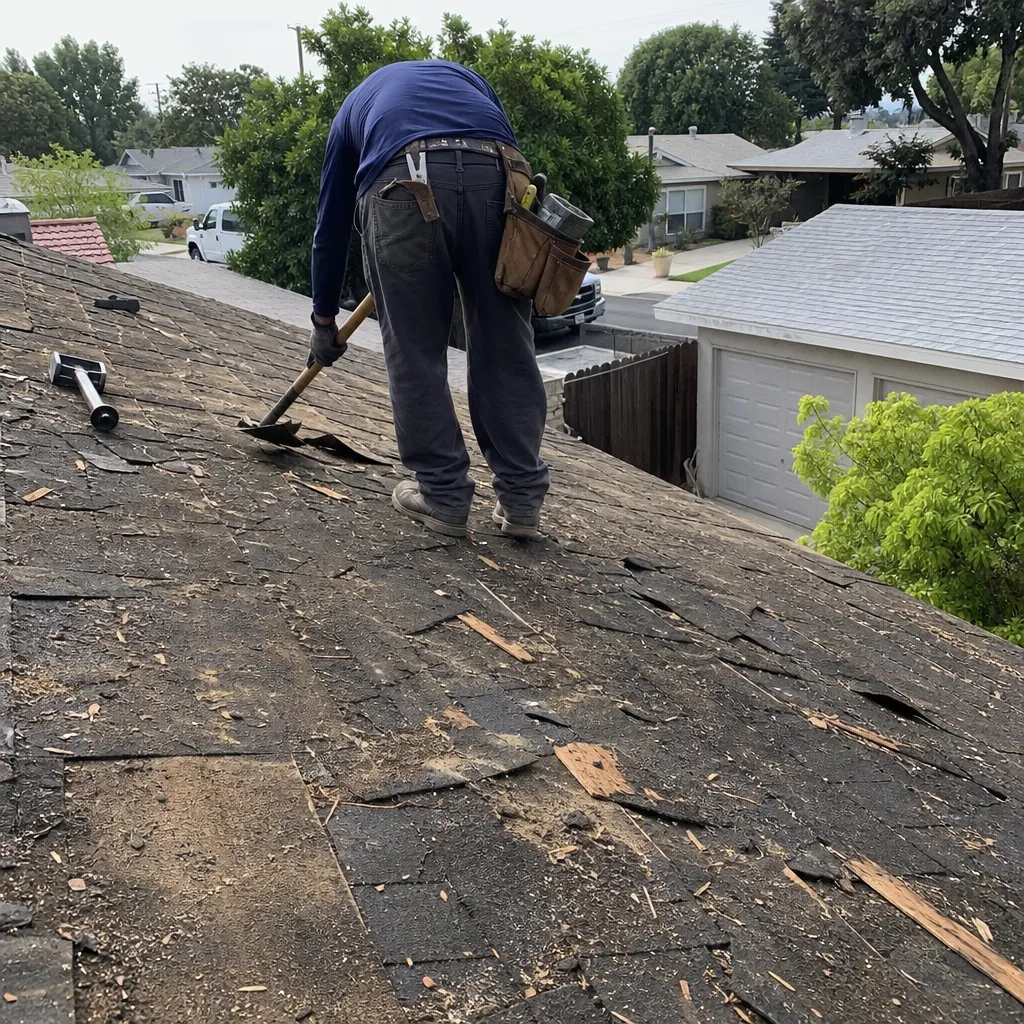 Before
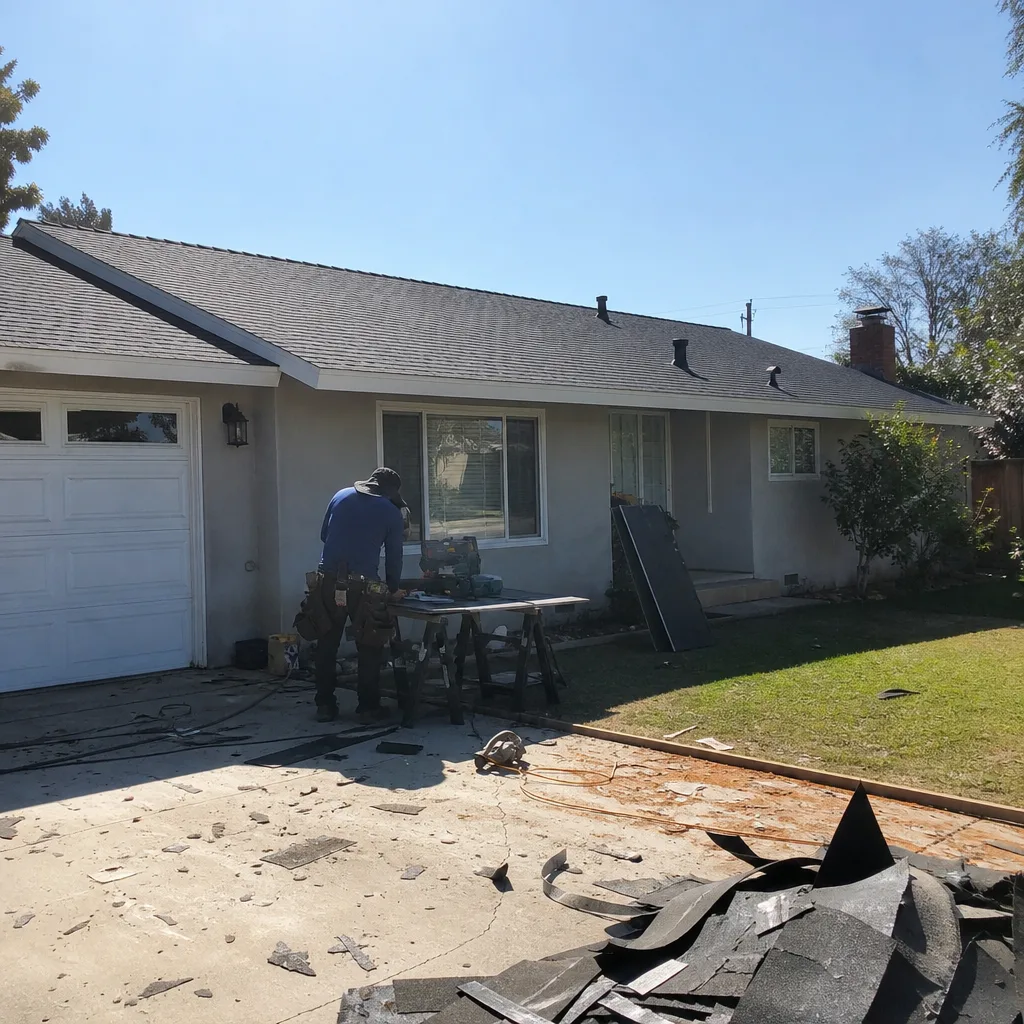 After
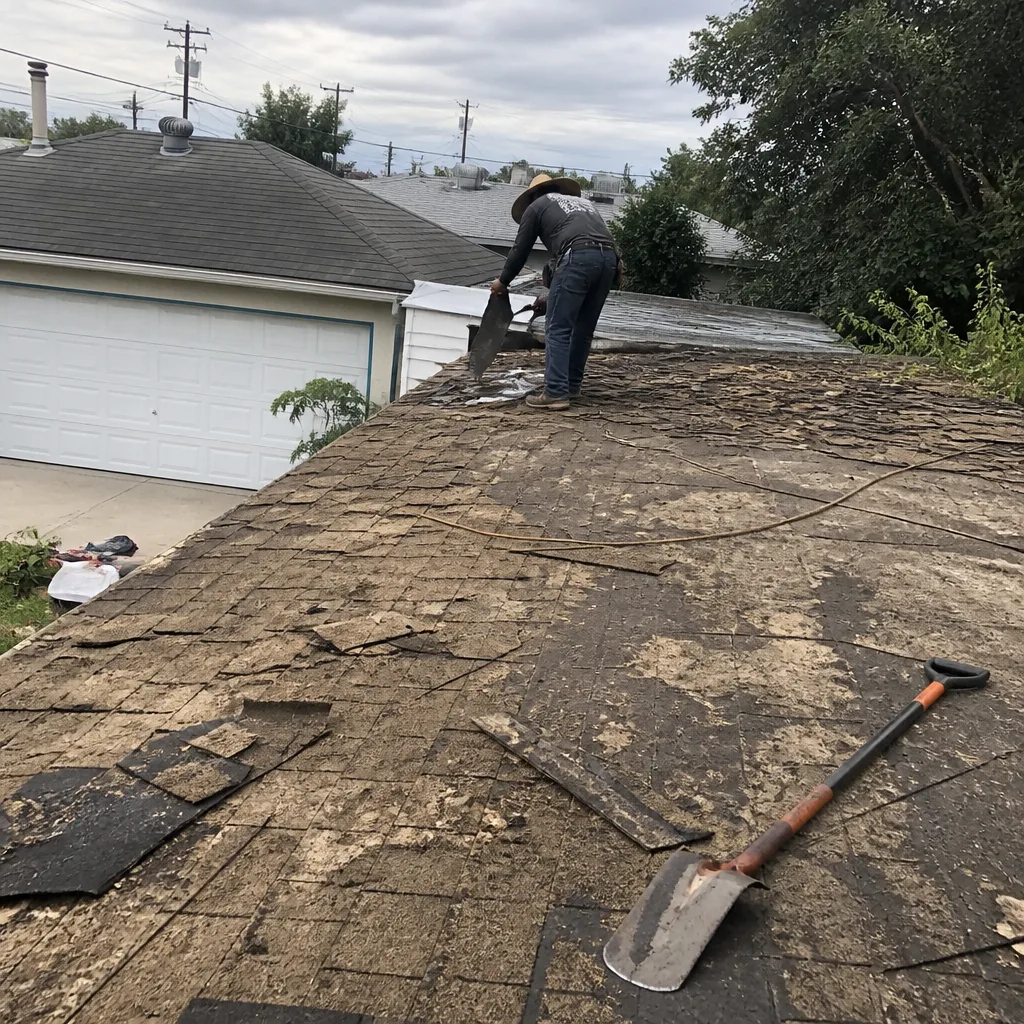 Before
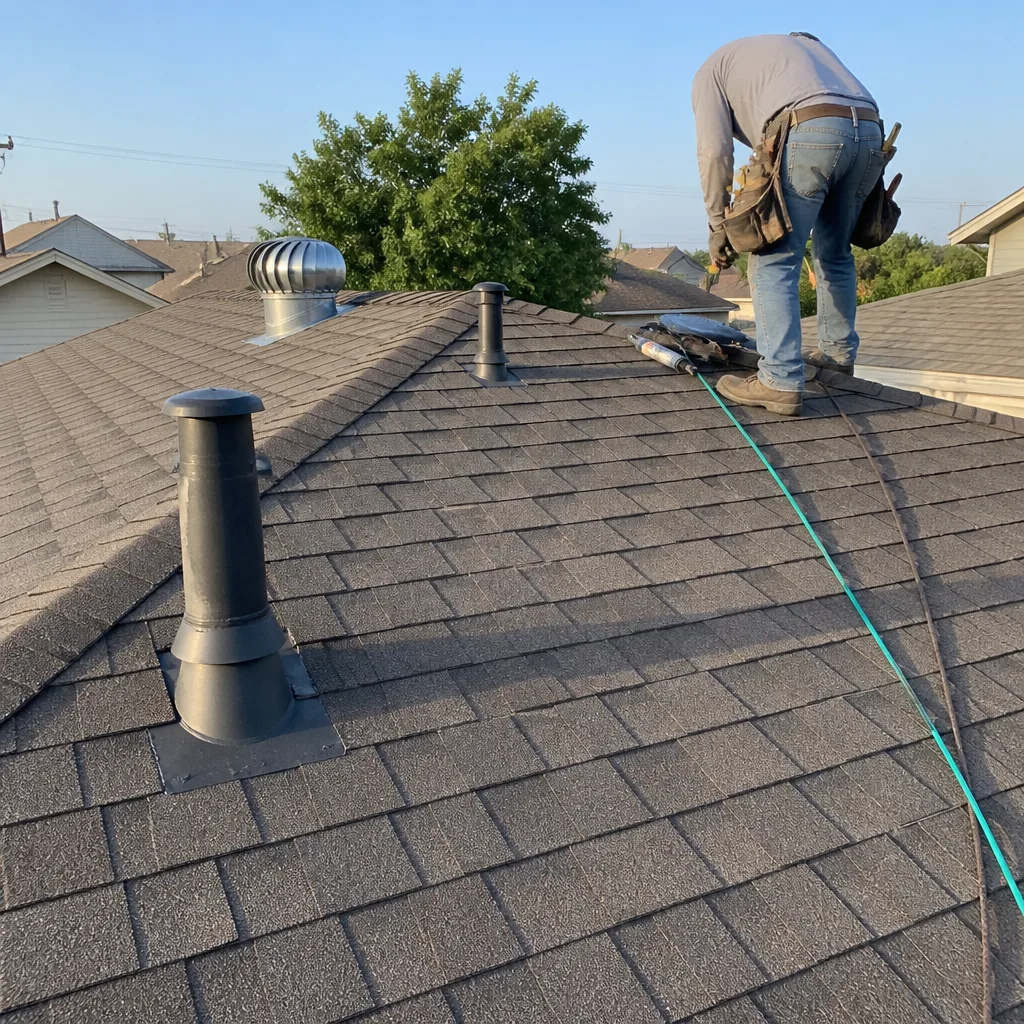 After
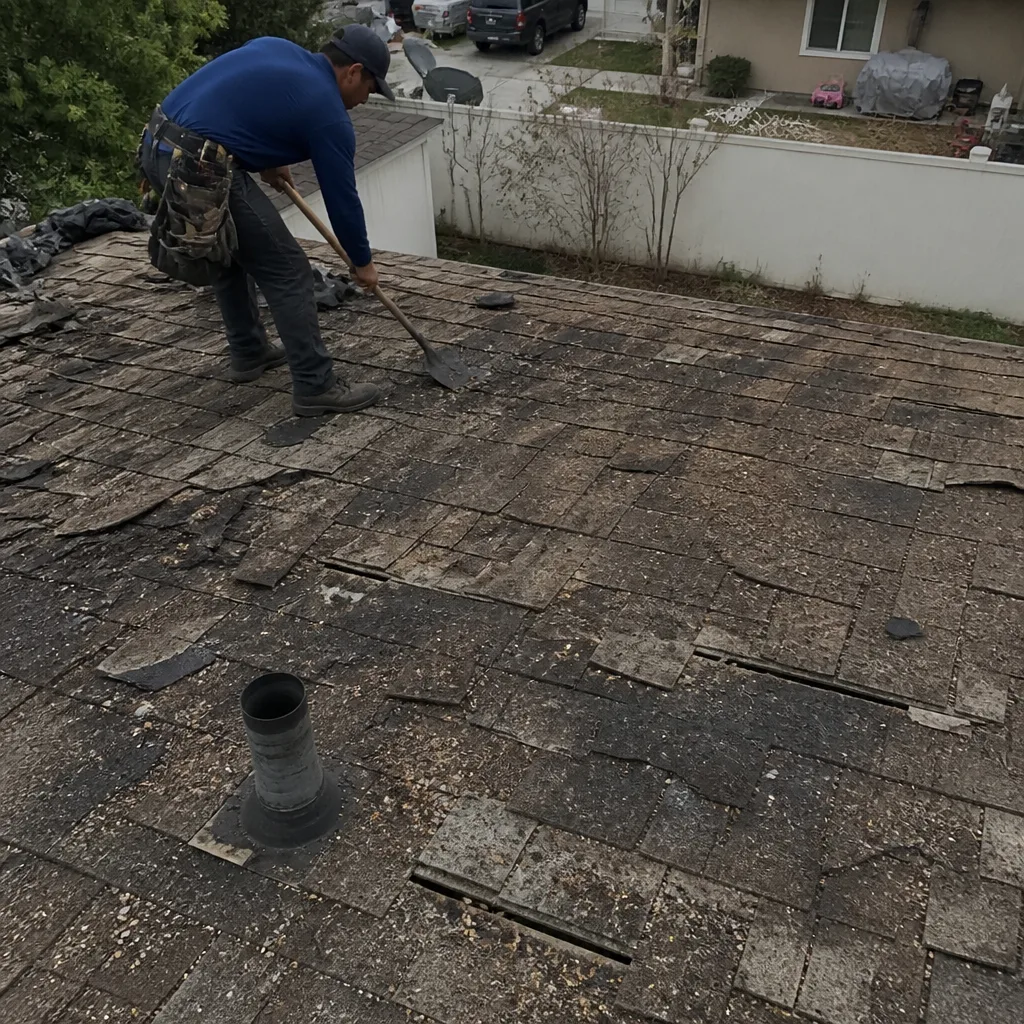 Before
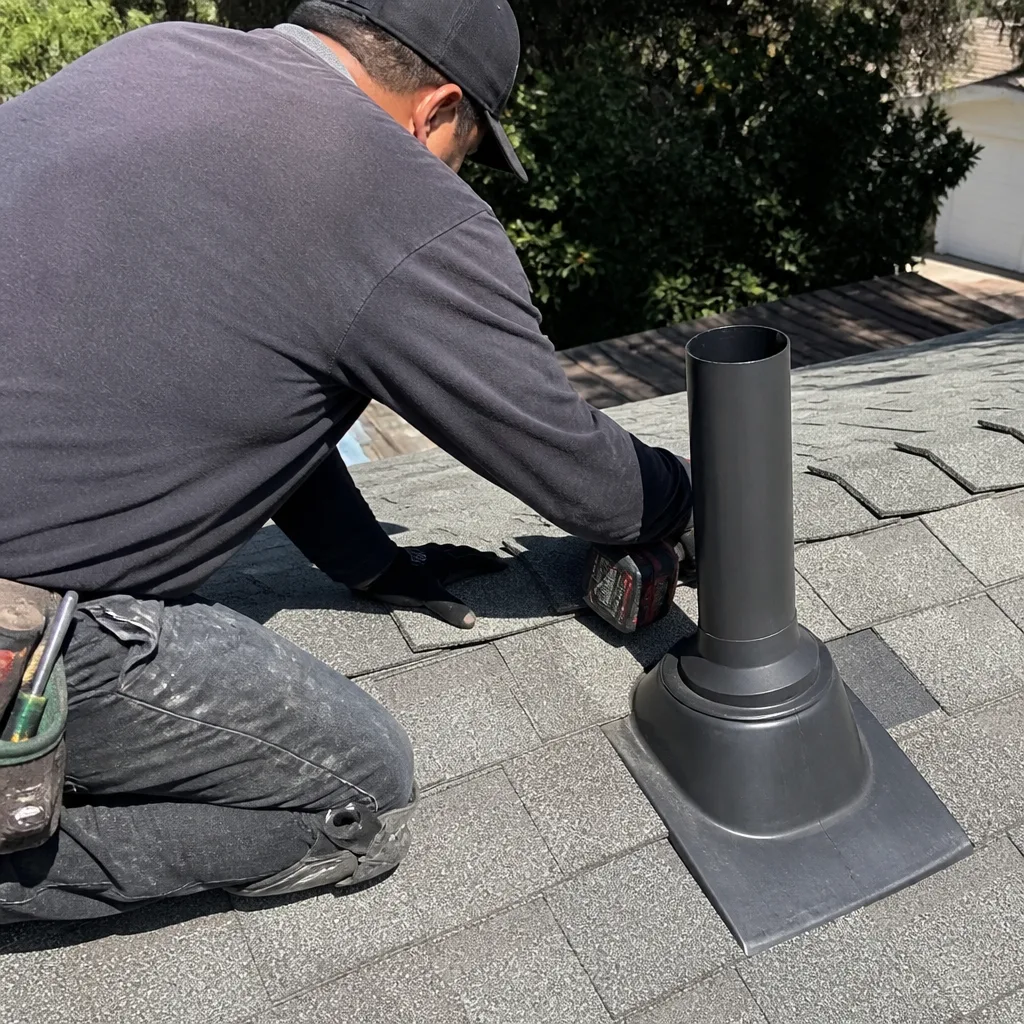 After