
Last updated October 30, 2026
 Metal roofing
 Architectural shingles
 Tile roofing
 GAF
 Owens Corning
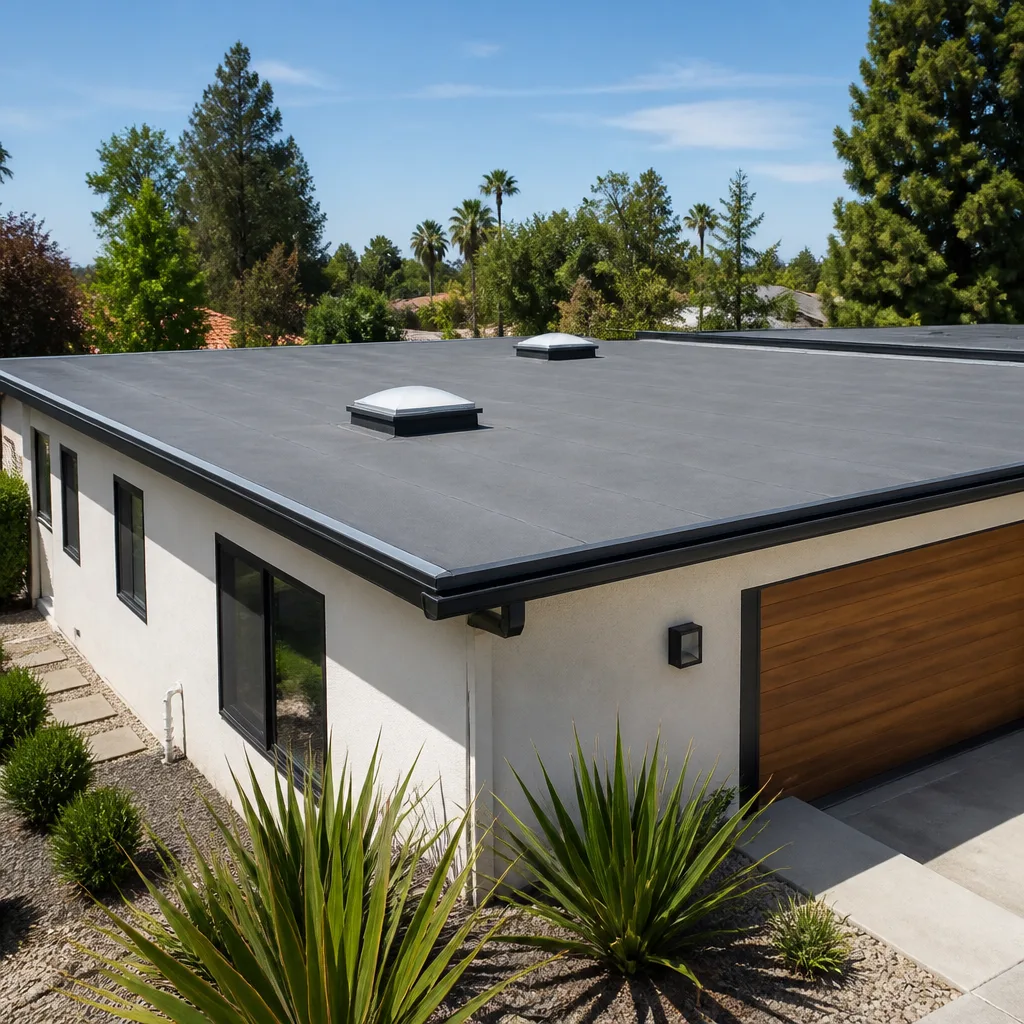 Flat & low-slope
Free roof inspection with deck photos before we talk money - GAF and Owens Corning certified installation
Seasonal Roofing Care for Pomona: Year-Round Homeowner’s Guide
Most seasonal roofing guides treat Pomona like it has a New England climate, with four tidy seasons and a predictable rhythm. In reality, the most damaging thing that happens to a Pomona roof most years isn’t rain. It’s 110°F attic temperatures baking adhesive strips and drying out flashing sealants through August. This guide—along with our complete guide to roofing in Pomona—reframes the calendar around two high-risk windows, peak summer thermal stress and late-fall through winter rain, separated by transition periods that are actually the best time to act, not rest. You’ll learn which maintenance tasks genuinely prevent damage in this specific Inland Empire climate, which ones are busywork, and when a professional inspection in Pomona pays for itself.
Styles & brands we work with
Quick Answer
Seasonal roof care in Pomona means focusing on two critical windows: a pre-summer checklist (April – May) to prepare for extreme heat, and a pre-rain checklist (September – October) to prepare for winter storms. The highest-ROI maintenance happens during the mild transition months, not during the extremes themselves, and the single most valuable step any Pomona homeowner can take is scheduling a professional roof inspection before each high-risk window.
Table of Contents
- Pomona’s Real Roofing Climate: Two Risk Windows, Not Four Seasons
- The Pre-Summer Checklist: April and May in Pomona
- What Inland Empire Heat Actually Does to Your Roof
- The Pre-Rain Window: September and October Are Your Highest-ROI Months
- Santa Ana Wind Events: The 48-Hour Post-Event Inspection Routine
- Why January and February Are the Smartest Months for Non-Emergency Repairs
- Common Mistakes to Avoid
- When to Call a Professional
- Frequently Asked Questions
- The Bottom Line
Pomona’s Real Roofing Climate: Two Risk Windows, Not Four Seasons
Pomona sits at the eastern edge of Los Angeles County, where the coastal marine layer burns off earlier and the inland heat settles in harder. Summer temperatures routinely climb past 95°F, and the attic underneath your roof can hit 120°F to 140°F when the sun is directly overhead. That’s not a minor detail. It’s the defining fact of roof maintenance in this city.
Winter brings a different challenge. Pomona averages about 17 inches of rain annually, but it doesn’t arrive evenly. Most of it falls between December and March, often in a handful of concentrated storm systems. That means your roof goes from months of dry heat to sudden periods of sustained water exposure, and any sealant that dried out over the summer gets tested all at once.
Between these two risk windows sit two transition periods: April through May before the heat peaks, and September through October before the rains arrive. These are the months when maintenance actually pays off. The weather is mild enough for sealants and adhesives to cure properly, and roof work is easier to schedule before the seasonal rush.
We’ve inspected roofs across Pomona, from Phillips Ranch to Lincoln Park to Westmont, and the pattern is consistent: homes that get attention during the transition windows need far fewer emergency repairs than homes that wait until something visible fails. That’s the central insight of this guide. Act before the stress arrives, not after.
The Pre-Summer Checklist: April and May in Pomona
The heat in Pomona doesn’t announce itself suddenly. It builds through late spring, peaks in August and September, and lingers into October. Every day above 90°F puts additional thermal stress on your roofing materials, so the work you do in April and May directly determines how your roof survives the summer.
Here’s the checklist we recommend for Pomona homeowners before the heat sets in:
- Check attic ventilation. Walk up into your attic on a warm afternoon and note whether it feels significantly hotter than the outside air. If it does, your exhaust ventilation may be inadequate. Ridge vents, box vents, and soffit vents all need to be unobstructed. In Pomona’s climate, proper attic ventilation can reduce peak attic temperatures by 20 to 30 degrees, which extends the life of your shingles and keeps your home cooler.
- Inspect ridge vents for blockages. Ridge vents run along the peak of your roof and release hot air. If they’re covered by debris, bird nests, or old roofing felt, they can’t do their job. A visual check from the ground with binoculars is often enough to spot obvious blockages.
- Look for lifted shingle tabs. Asphalt shingles expand in heat. If any tabs were already lifting from wind or age, summer temperatures will make them curl and lift further. Walk around your home and look for shingles that appear raised at the edges. If you can see them from the ground, they need attention before August.
- Check flashing sealant around penetrations. Pipes, vents, skylights, and chimneys all have flashing that’s sealed against water intrusion. That sealant dries out in Pomona’s heat. If it was already cracked in April, it will be brittle and separated by September. This is one of the most common sources of roof leaks we find.
- Clear debris from valleys and low-slope areas. While summer is dry, any organic material sitting in roof valleys will trap heat and moisture, accelerating material breakdown. It also becomes a fire risk during Santa Ana season.
If any of these items reveal problems, the fix is almost always less expensive in April than it will be in August or after a winter leak. A Roof Inspection in Pomona during this window gives you a documented baseline before the stress season begins.
What Inland Empire Heat Actually Does to Your Roof
Sustained heat is the slowest and most relentless enemy of a Pomona roof. It doesn’t announce itself with a dramatic event. It works through material chemistry, breaking down the bonds that keep your roof watertight.
Asphalt shingles. Shingles rely on adhesive strips to bond each course to the one below it. In normal conditions, the sun’s heat softens those strips and creates a strong seal. But when attic temperatures spike past 130°F day after day, the asphalt itself begins to oxidize. The oils that keep shingles flexible evaporate, leaving them brittle. Eventually, the shingle surface loses granules, the tabs curl, and the adhesive strips fail. A shingle roof that might last 25 years in a coastal climate often lasts 15 to 18 years in Pomona’s inland heat.
Tile mortar and underlayment. Concrete and clay tile roofs are common in Pomona, and tile itself handles heat well. The problem lies underneath. The underlayment that actually sheds water sits under the tile, and it ages faster in high-heat environments. The mortar used at hips, ridges, and valleys can crack as it expands and contracts. Cracked mortar lets water reach the underlayment, and when that underlayment has been baked for 15 or 20 Inland Empire summers, leaks follow.
Flat-roof membranes. Flat and low-slope roofs, often found on additions, garages, and mid-century homes in Pomona, absorb heat directly. Modified bitumen and single-ply membranes are designed for sun exposure, but constant UV radiation and high surface temperatures degrade them faster here than in cooler climates. Visible indicators include alligatoring, which is fine cracking across the surface, and pooling water that doesn’t drain.
Flashing sealants. The sealant used around roof penetrations has a service life, typically 5 to 10 years, and Pomona’s heat shortens it. When sealant dries and pulls away from metal flashing, it creates a small gap. Small gaps let water in during winter storms. This is why the pre-rain inspection in September matters so much.
Visible indicators that heat damage has begun:
- Shingle tabs that curl upward at the edges, especially on south-facing and west-facing slopes
- Granules collecting in gutters or at downspout outlets, indicating shingle surface breakdown
- Brittle, cracked flashing sealant that flakes when touched
- Attic temperatures that feel excessively hot on mild days, indicating ventilation problems
- Ceiling stains that first appear during the first rain after a long hot spell
If you notice any of these signs, we recommend documenting them and getting a professional evaluation, as detailed in our complete roof repair guide for Pomona homeowners. Heat damage tends to be cumulative, meaning each passing summer makes minor problems more likely to become major ones.
The Pre-Rain Window: September and October Are Your Highest-ROI Months
Of all the maintenance periods in Pomona, the September to October window delivers the highest return on investment. Here’s why: the summer heat has done its damage, and you can now see exactly where that damage occurred. Meanwhile, the rains are still a few months out, giving you time to address problems before water finds them.
This is the time when a roof inspection has the best chance of catching dried-out sealants, lifted shingles, and cracked flashing before they become leaks. It’s also when contractors in Pomona still have scheduling flexibility, before the winter storm season drives demand up.
The September – October checklist:
- Clean gutters and downspouts. Rain in Pomona tends to arrive in concentrated bursts. Gutters that are half-full of leaves and debris can overflow during the first real storm, sending water down your fascia and into your wall cavities. Clean gutters and verify that downspouts direct water at least three feet away from the foundation.
- Inspect valley flashing. Roof valleys, where two slopes meet, channel more water than any other part of the roof. In Pomona, valley metal and valley shingles take exceptional wear from concentrated runoff during storms. Check for exposed nails, separated material, or visible gaps.
- Check low-slope drainage. If your Pomona home has any flat or low-slope sections, verify that water has a clear path to drains or scuppers. Standing water after a storm means drainage has failed, and standing water on a membrane accelerates membrane breakdown.
- Test flashing seals. Every penetration, pipe boot, vent, skylight, chimney, needs watertight sealing. After a long Pomona summer, some of those seals will have dried and separated. This is the single most common source of roof leaks we identify during fall inspections.
- Trim overhanging branches. Pomona’s mature trees, including the oaks and sycamores common in neighborhoods like Ganesha Hills and Phillips Ranch, drop leaves and small branches through fall. Branches that scrape against shingles during Santa Ana winds remove granules and create entry points for moisture.
Complete this checklist in September or October, and your roof enters the rainy season from a position of strength. Skip it, and the first heavy storm becomes an unintentional leak test.
Santa Ana Wind Events: The 48-Hour Post-Event Inspection Routine
Santa Ana winds are unique to Southern California, and Pomona feels them as strongly as anywhere in the region. These dry, gusty winds arrive primarily between October and February, with peak gusts sometimes exceeding 60 mph in the foothill areas north of the 10 freeway. They don’t just damage roofs by blowing material off. They do it selectively, targeting weakened sections that might have held through another season without the wind.
Rather than a general “check your roof after a storm” suggestion, we recommend a specific 48-hour post-event routine after any Santa Ana event with gusts over 40 mph:
- Walk the perimeter within 48 hours. Look at the ground around your home for shingle tabs, tile fragments, or pieces of flashing that have blown down. What you find on the ground tells you what’s missing from the roof.
- Visually inspect each slope from the ground or with binoculars. Focus on edges, ridges, and valleys. Wind damage typically starts at the perimeter, where uplift forces are strongest. Look for shingles standing up, tiles shifted out of alignment, or exposed underlayment.
- Check all roof penetrations. Santa Ana winds rattle pipe boots, vent caps, and chimney flashing. Even if they don’t blow off entirely, they can be loosened enough to break the watertight seal.
- Document everything with photos. If you find damage, take photos from multiple angles before anything is moved or repaired. Good documentation matters for insurance claims and for tracking whether damage is worsening.
- Check attic ceilings for new stains. Wind-driven rain can enter through gaps that would stay dry in a vertical rainstorm. Within a few days, new ceiling stains will reveal where water found its way in.
Santa Ana season overlaps with the winter rain season, which means wind damage left unaddressed often becomes water damage within weeks. After any significant wind event, the 48-hour inspection is cheap insurance.
Why January and February Are the Smartest Months for Non-Emergency Repairs
Most Pomona homeowners wait until summer to think about roof work, which is exactly backwards, as we explain in our guide to choosing the right roofing brand for Pomona buyers. The mildest, driest, and most contractor-friendly months for roof work in Pomona are January and February. Here’s the case for using this window.
Scheduling flexibility. Roofing contractors in Southern California see the highest demand in late spring through early fall. January and February are slower, which means your call gets answered faster, your inspection gets scheduled sooner, and your project starts on a timeline that works for you.
Better pricing outcomes. Contractors with open schedules are often more competitive on pricing for non-emergency work during the slow season. You’re not paying a premium for rushed scheduling, and you’re comparing estimates in a market with capacity.
Ideal material conditions. Asphalt shingles seal properly in mild temperatures. Adhesives cure correctly between 40°F and 80°F, which describes most Pomona winter days. Sealants bond better when they’re not baking in 100°F heat. If you’re getting Roof Repair in Pomona or a full Roof Replacement in Pomona, the winter window gives materials their best chance to perform as designed.
Pre-rain problems reveal themselves. January and February are typically the wettest months in Pomona. If your roof has a leak, this is when it will show up. Identifying a leak during the winter and scheduling the repair during a dry stretch solves the problem before another storm cycle, rather than letting it fester through spring and summer.
The homeowners who use the winter window are the ones who avoid the August emergency call. A roof problem in winter is an inconvenience. The same problem discovered in August, after months of heat and before the fall rush, is more expensive and less convenient to address.
Common Mistakes to Avoid
- Waiting until a leak appears to inspect the roof. By the time water visibly enters your home, the damage has been progressing for weeks or months. In Pomona’s climate, a fall leak often traces back to sealant that cracked during the previous summer.
- Ignoring attic ventilation because “it’s just an attic.” Poor ventilation in a Pomona attic doesn’t just make the house hotter. It bakes your shingles from underneath, cutting years off their service life and voiding some manufacturer warranty terms.
- Cleaning gutters only once per year. Pomona’s fall leaf drop plus Santa Ana debris means gutters can clog in a matter of weeks between October and January. Twice-per-season gutter checks, once in October and once in January, prevent overflow damage.
- Assuming tile roofs don’t need maintenance. Tile itself is durable. The underlayment beneath it is not. Skipped inspections on Pomona tile roofs lead to leaks that are harder to find and more expensive to repair because the tile has to be removed to access the problem.
- Treating Santa Ana winds as a non-event. A 50 mph gust doesn’t remove a healthy roof. But it absolutely removes shingles and tiles that were already loose. Skipping the post-event inspection means the next rain finds the gap.
- Scheduling roof work in August unless it’s an emergency. The hottest month in Pomona is the worst time for sealants, adhesives, and crews. If your project can wait until January or February, it should.
- Trusting a drive-by estimate without an actual inspection. Any contractor who quotes a price without first performing a roof inspection is guessing. A legitimate estimate is grounded in documented findings, not market averages. Millstone Roofing’s process starts with a professional inspection because the recommendation should follow the evidence, not the other way around.
When to Call a Professional
Certain roof conditions merit a professional evaluation rather than another season of watching and waiting. Call a roofing contractor if you see missing or visibly lifted shingles after a Santa Ana event, water stains on ceilings or walls after rain, granules accumulating in gutters after a summer of heat, or flashing sealant that has visibly cracked and pulled away. These are not conditions that self-correct. Millstone Roofing offers free estimates in Pomona, call (855) 341-6021, and the process begins with a professional roof inspection that documents findings before any repair or replacement recommendation is made.
Frequently Asked Questions
We recommend a professional roof inspection twice per year in Pomona: once in April or May before the summer heat peaks, and once in September or October before the winter rains arrive. The heat-and-rain cycle in this climate means two inspection points catch different types of emerging problems, and the cost of an inspection is consistently less than the cost of discovering damage through a leak.
Roof inspection pricing in Pomona typically ranges from free to $300 depending on the contractor and the scope of the inspection. Millstone Roofing provides inspections as the first step in the process so that any repair or replacement recommendation is based on documented findings. Call (855) 341-6021 for current inspection availability in Pomona.
Yes, because the summer damage leads to the winter leaks. Pomona’s sustained heat oxidizes asphalt shingles, dries out flashing sealants, and degrades underlayment even when no rain is falling. The problems created in August show up during the first serious storm in December, which is why pre-summer inspection matters even when the forecast is dry.
On a warm Pomona afternoon, enter your attic and compare the temperature to the outside air. If the attic feels substantially hotter, ventilation is likely inadequate. Look for blocked soffit vents, missing or damaged ridge vents, and any visible restrictions. A professional inspection can also assess whether your current ventilation meets the requirements for your attic’s square footage and your roof’s design.
A contractor committed to inspection-driven recommendations will tell you when a targeted repair solves the problem and when replacement genuinely makes sense. Millstone Roofing’s approach is repair when repair is right, replace when replacement makes sense. The difference comes from documenting findings first, then recommending the appropriate scope of work, not the other way around.
Most targeted roof repairs in Pomona, such as flashing resealing, shingle replacement, or valley repairs, are completed in one day. Larger repair scopes may extend to two or three days. The timeline depends on what the inspection uncovers, and a written estimate should include the expected project duration before work begins.
The Bottom Line
Pomona’s roofing calendar doesn’t follow four seasons. It follows two risk windows: extreme summer heat that degrades materials silently, and winter rain that reveals every weakness the heat created. The homeowners who fare best are the ones who act during the transition months, April through May and September through October, when maintenance is affordable, scheduling is flexible, and materials perform at their best. Use the Santa Ana 48-hour check after wind events, use the winter window for non-emergency repairs, and make professional inspections the foundation of your maintenance routine. Your roof will last longer, and your repair costs will stay predictable instead of becoming emergencies.
For a professional roof inspection in Pomona, or to discuss any of the seasonal concerns in this guide, visit the Millstone Roofing home page or call (855) 341-6021 to schedule your free estimate.
Written by the team at Millstone Roofing, serving Pomona since 2011. Explore more guides & resources from our team.
See the difference
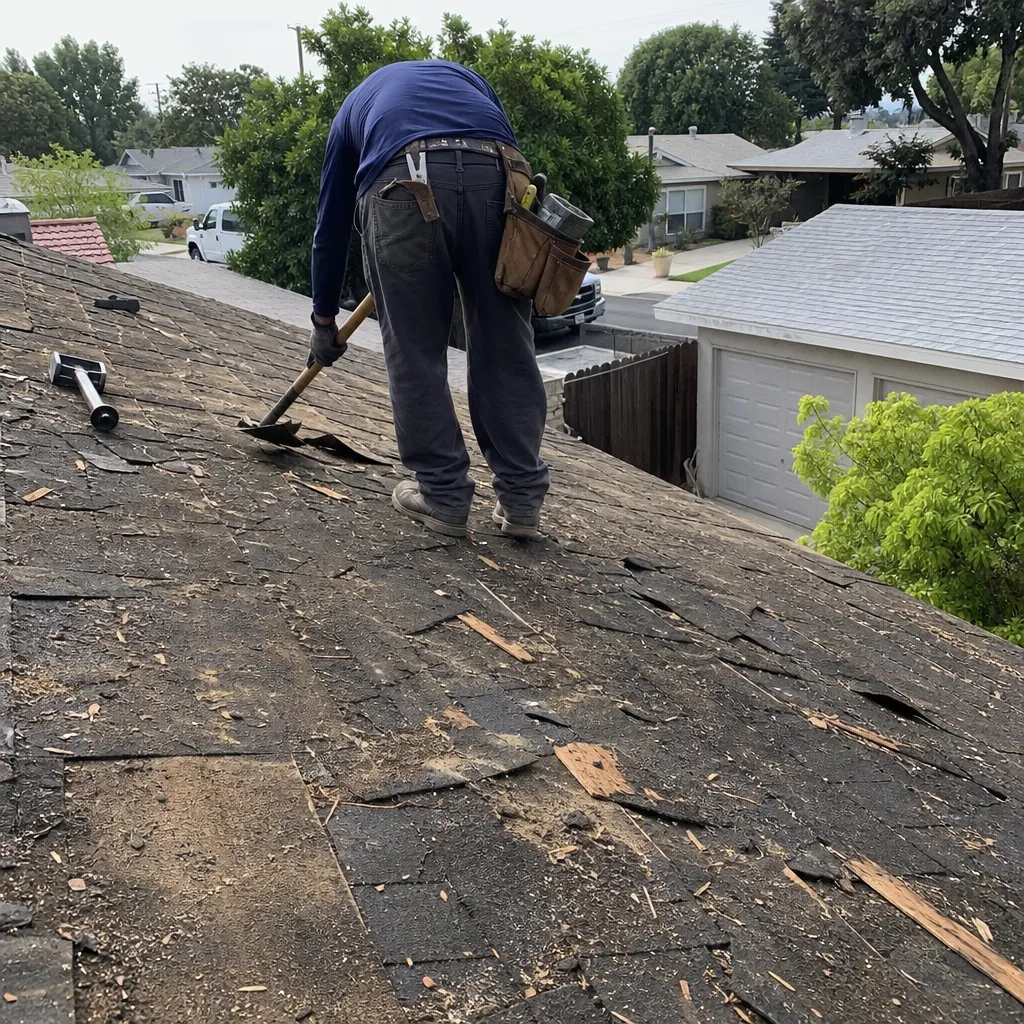 Before
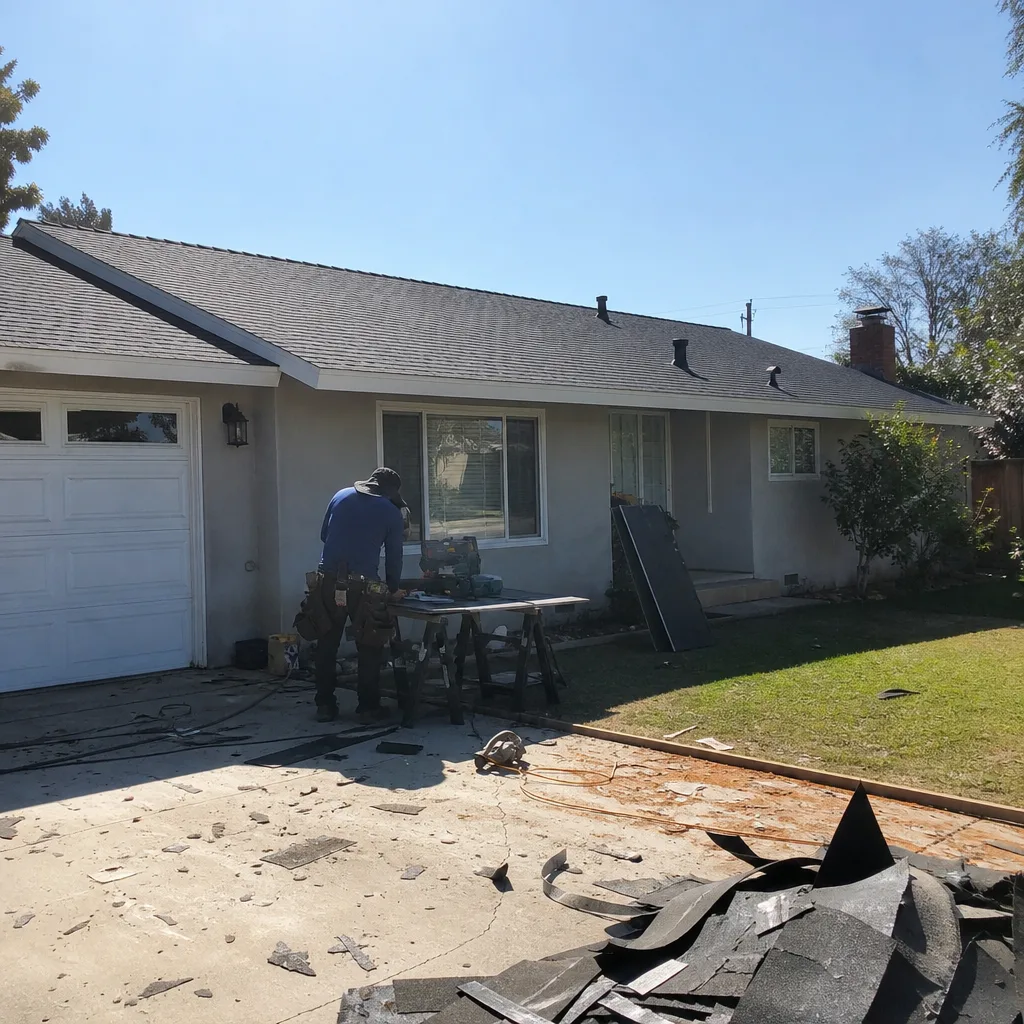 After
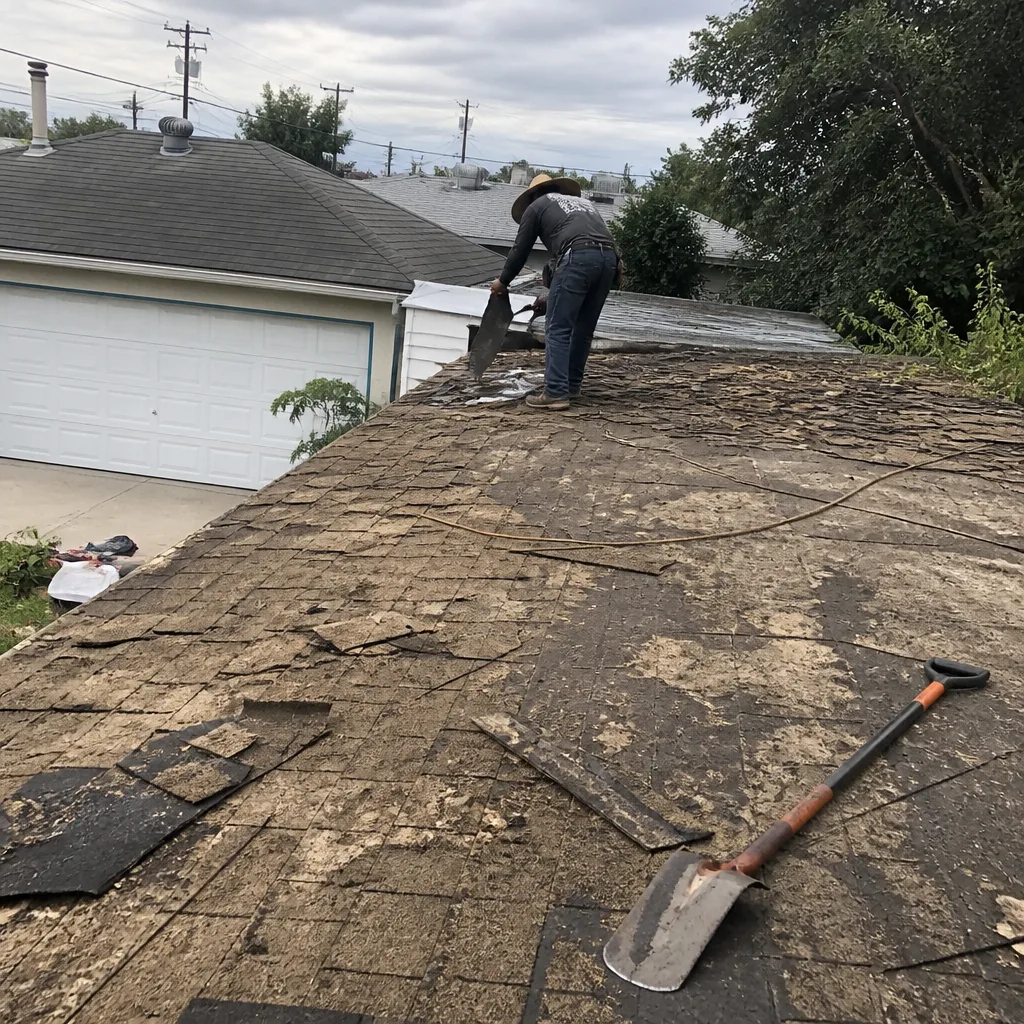 Before
 After
 Before
 After