
Last updated October 30, 2026
 Architectural shingles
 Metal roofing
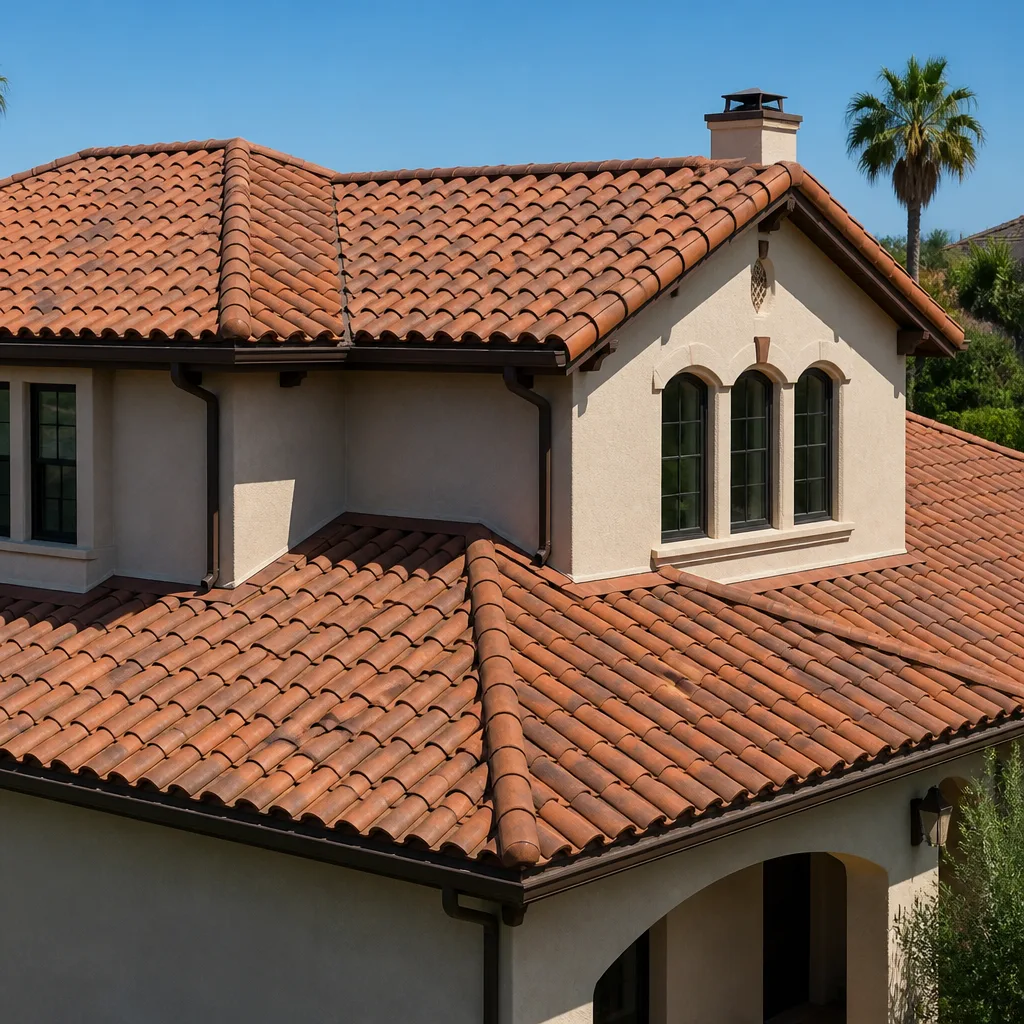 Tile roofing
 GAF
 Owens Corning
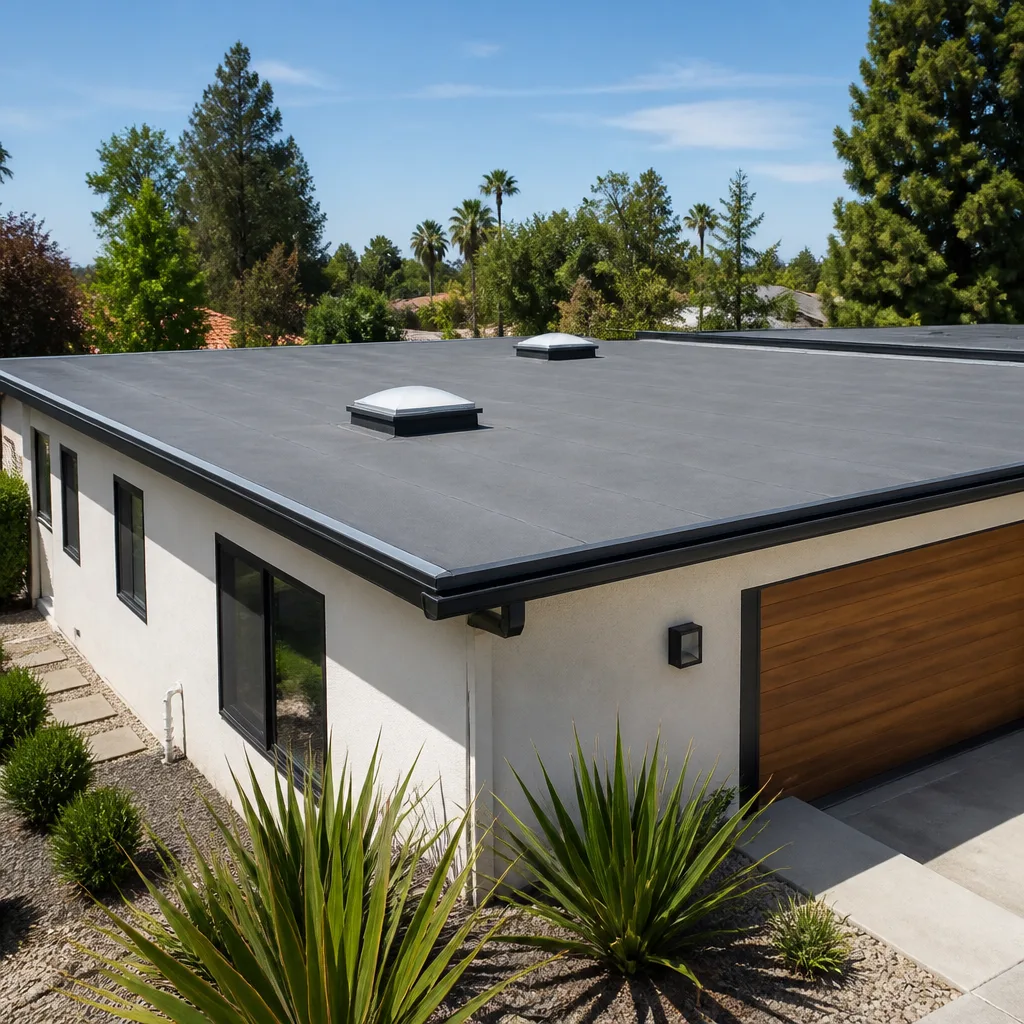 Flat & low-slope
Free roof inspection with deck photos before we talk money - GAF and Owens Corning certified installation
Roof Repair Troubleshooting: Common Problems and How to Fix Them
The water stain on your bedroom ceiling is probably not caused by the roof directly above it. Water travels along rafters, decking, and trusses, sometimes 6 to 8 feet from the actual entry point, before gravity finally pulls it down onto your drywall. In Pomona, where summer heat bakes shingles brittle and winter rains arrive in concentrated bursts, this gap between symptom and source is why so many patch jobs fail within a season. This guide teaches you to think like a roof diagnostician: trace the problem backwards from what you see to what actually caused it, and know exactly what you can fix yourself, what needs Roof Repair services, and when a full replacement is the only honest answer.
Styles & brands we work with
Quick Answer
Roof leak troubleshooting starts by mapping what you see inside (water stains, peeling paint, mold on ceilings) to what’s happening outside or in the attic. Most homeowner misdiagnoses happen because water travels laterally along roof decking before dripping, so the leak source is rarely directly above the stain. Always start with an attic inspection during daylight, look for clustered dark spots on wood, and photograph everything before calling a contractor, because attic photos tell a roofer more than interior stains ever will.
Table of Contents
- Symptom-to-Source Mapping: What Your House Is Telling You
- The Five Most Misdiagnosed Roof Problems
- How to Do a First-Pass Inspection Without a Ladder
- Attic Inspection: The Part Most Homeowners Skip
- DIY-Safe Repairs vs. Repairs That Need a Pro
- Systemic Failure vs. Isolated Damage: The Repair-or-Replace Question
- Pomona-Specific Roof Problems: Climate, Code, and What We See Most
- Common Mistakes to Avoid
- When to Call a Professional
- Frequently Asked Questions
- The Bottom Line
Symptom-to-Source Mapping: What Your House Is Telling You
Your house is not subtle about roof failures, but it is indirect. A water ring on a second-floor ceiling might trace back to a pipe boot on the far side of the roof. Peeling paint at the eaves might not be a leak at all, but a ventilation problem. Granules piling up in the gutter might mean a section of shingles is shedding at an accelerated rate, not that the whole roof is dead. Here’s the mapping that matters:
| Symptom | Most Likely Source | What to Check First |
|---|---|---|
| Brown water stain on a ceiling, no drip | Water traveling along a rafter from a roof penetration (vent, pipe boot, chimney) 6-8 feet upslope | Attic directly above the stain, then follow the water path uphill |
| Peeling paint or water drops at eaves during dry weather | Underside ventilation failure causing condensation, not a leak | Attic insulation blocking soffit vents, bathroom fan exhausting into attic |
| Granules accumulating in gutters after rain | Normal aging of asphalt shingles, or impact damage from branches | Compare granule density under different slope sections; look for bare spots on shingle edges |
| Daylight visible through attic roof boards | Obvious gap or broken decking, rotten sheathing, or missing shingle underlayment | From inside attic: any light pinpoints where water gets in |
| Mold or mildew on attic ceiling, high humidity | Poor ventilation or bathroom fan venting into attic | Ridge vents blocked, soffit vents painted over, insulation compacted against roof deck |
| Sagging roof line between rafters | Saturated decking losing structural integrity | Walk the attic, press on wood with a screwdriver handle, check for softness |
In our experience at Millstone Roofing, the single most common call we get in Pomona is “I have a leak in my bedroom” when the actual source is a rotted pipe boot at a bathroom vent on the opposite slope. Why? Because water follows the underside of the roof decking along the rafter line, and it only drops where it meets a seam, a knot in the wood, or a drywall joint. Understanding this one principle changes how you approach every other symptom on this page.
The Five Most Misdiagnosed Roof Problems
Roof problems get expensive when the wrong fix gets applied to the wrong cause. These five failures trip up homeowners and, frankly, some less experienced contractors:
1. HVAC Condensation in the Attic, Blamed on Roof Leaks
During Pomona’s summer, an attic can reach 130 degrees or higher. If your central AC evaporator coil or ductwork runs through that attic, condensation forms on the outside of cold surfaces. That water drips onto insulation and eventually registers as a ceiling stain. The tell-tale sign: the stain appears during dry, hot weather, not after rain. The fix is insulation around ductwork or a condensation pan installation, not a roof repair.
2. Gutter Overflow Damage, Blamed on Shingles
When gutters clog with leaves and Pomona’s winter rains hit, water backs up under the shingle line at the eaves and penetrates the fascia board. From inside, it looks like every other roof leak. But the shingles are fine; the gutter system failed. Before you pay for a roof repair, check if the downspouts are clear and whether the gutter slope directs water to them. A $150 gutter cleaning beats a $1,200 eave repair.
3. Bathroom Fan Exhaust Into the Attic, Disguised as a Roof Leak
Older homes in Pomona often have bathroom fans that terminate in the attic instead of through the roof deck. Every hot shower pumps moisture into the attic, where it condenses on the underside of the roof sheathing and rains down on your insulation. This is often mistaken for a roof failure on the side of the house opposite the bathroom. The fix is a proper vent installation through the roof deck with a sealed termination boot.
4. Skylight Flashing Deterioration, Called a “Roof Leak”
Skylights rarely leak through the glass. The failure is almost always at the flashing curb where the skylight meets the shingles. A homeowner sees water on the floor under a skylight during rain and assumes the whole roof is compromised. The professional diagnosis is usually: reflash the skylight, or reseal the curb, and the leak stops without touching a single shingle elsewhere.
5. Plumbing Vent Boot Cracking, Blamed on “Old Roof”
The rubber boot around a plumbing vent pipe is usually the first component to die on any roof, because UV and heat degrade rubber faster than shingles. A cracked boot lets water run straight down the pipe into the house. It looks like a major roof failure from inside. The actual repair is a 30-minute job: replace the boot with a new, properly flashed version. We see this misdiagnosis on an almost weekly basis in Pomona, where the sun cooks boots in a single summer.
How to Do a First-Pass Inspection Without a Ladder
You can identify 70% of roof problems from the ground with binoculars or a good camera zoom. You don’t need to climb anything. Here’s the sequence we recommend to Pomona homeowners before they call any contractor:
- Walk the perimeter at ground level. Look for shingles that are lifted, cracked, missing, or curling at the edges. Pay special attention to south-facing slopes – in Pomona, those get the most UV exposure and age fastest.
- Count exposed granules on driveways and walkways. Heavy granule accumulation near downspouts after a rain means that section of shingles is shedding faster than it should. Bare asphalt showing through means the shingle is nearing the end of its functional life.
- Check for nails backing out. If you see small bumps or shiny spots on shingle surfaces, that’s a nail slowly pushing up. Those become leak paths within a season.
- Photograph everything in sets of three. First, a wide shot of the entire roof slope from ground level. Second, a medium shot of any problem area. Third, a close-up. These photos will make your phone call to a contractor dramatically more productive.
- Check for missing or cracked flashing at valleys and eaves. Shine a flashlight from below if the sun angle allows. Flashing is metal that diverts water; when it curls or separates, it fails before shingles do.
What to photograph before calling any roofer: the stain on the ceiling from multiple angles, the attic area directly above the stain, any suspect shingle or flashing area from the ground, and a shot of your roof from the street so the contractor can see slope direction. In our experience at Millstone Roofing home office in Pomona, these photos cut a phone diagnostic time in half and often let us tell a homeowner whether the problem is urgent before we even schedule a visit.
Attic Inspection: The Part Most Homeowners Skip
If you can safely enter your attic and stand on the joists (not the drywall), do it. This is where 90% of the diagnostic information lives. Here’s what to check, in order of priority:
- Daylight. Turn off all attic lights and let your eyes adjust. Any pinprick of daylight coming through the roof deck is a water entry point. Mark each one with a piece of painter’s tape so you can find it from the outside later.
- Dark streaks on roof sheathing. These are the actual water paths. Follow the darkest streak uphill. The highest point of the streak on the slope is usually the actual leak source. This is the single most valuable diagnostic observation you can make.
- Wet or compressed insulation. Insulation that is matted down or feels damp has been wet recently. Track the dampness to its highest point on the sloped area under the roof.
- Mold or mildew on the underside of the roof deck. This usually means chronic moisture, not a one-time leak. It almost always points to ventilation failure, where warm attic air can’t escape and condenses on cool wood at night.
- Obvious wood rot or sagging decking. Press a screwdriver handle into wood near suspect areas. If it sinks more than a quarter inch without resistance, that section of decking is compromised and needs replacement, not just a shingle patch.
Take photos with your phone flash pointed toward what you’re photographing. The photos that matter most: the highest point of any water streak, the overall condition of the sheathing from below, and any areas where insulation is displaced or compressed.
DIY-Safe Repairs vs. Repairs That Need a Pro
Some roof work is genuinely manageable for a careful homeowner. Most is not. The difference is not just skill – it’s risk. Walking on a roof, especially a steep one, is genuinely dangerous. Falling from even a single-story roof causes serious injury. Here’s the honest breakdown:
DIY-Safe for a Competent Homeowner
- Clearing debris from valleys and corners. Use a leaf blower from the ground or a ladder. Debris dams are the leading cause of preventable roof leaks in Pomona’s eucalyptus-heavy neighborhoods.
- Cleaning gutters where they can be reached from a stable ladder. Clogged gutters cause water backup under the eaves. This is maintenance, not repair, and it prevents most eave leaks.
- Replacing a plumbing vent boot. This is ground-level-information work: you identify the boot, buy a matching replacement, and follow manufacturer instructions while staying OFF the roof by working from the attic side or calling a pro if access is unsafe. The actual shingle work around the boot is not DIY-safe.
- Caulking small flashings and resealing minor gaps around roof penetrations you can safely reach from a ladder. Use a high-quality polyurethane sealant, and only if the area is within comfortable reach without leaning.
Requires a Professional – Do Not Attempt
- Any repair on a roof steeper than 4:12 pitch. That is most roofs in Pomona’s older neighborhoods, especially Spanish-style homes with tile roofs. If you can’t comfortably walk the slope without holding onto something, do not.
- Any repair involving exposed nails or lifted shingles requiring foot placement on the roof surface. The weight distribution problem is real, and the fall risk is not worth the savings.
- Structural decking replacement. If your attic inspection shows soft or rotten wood, removing and replacing roof decking is structural work that requires proper fastening patterns and, in most Pomona jurisdictions, a building permit.
- Tile roof repairs. Tile is brittle, heavy, and unforgiving. Stepping on a tile wrong cracks it or shifts the underlayment. Tile roof repair requires experience with the specific tile profile and layout pattern.
- Any work involving chimney flashing or roof-to-wall intersections. These are the most leak-prone areas on any roof and require precise step flashing or counter-flashing that is not forgiving of improvisation.
The honest math: a botched DIY repair that leaks again costs more than the professional repair would have cost the first time, because now you’re fixing both the original problem and the damage from your repaired-by-wrong methods. We’ve walked through enough Pomona attics to see where well-meaning homeowners made things worse. If in doubt, get a Roof Inspection in Pomona and let the findings dictate whether you can handle the fix yourself.
Systemic Failure vs. Isolated Damage: The Repair-or-Replace Question
This is the most important distinction in roofing, and it’s where honest contractors separate from salespeople. An isolated problem is a single point of failure: one section of flashing, one pipe boot, one valley. A systemic failure is when multiple components are degrading at similar rates across the roof surface. The difference determines whether a targeted repair makes sense or whether you’re throwing money at a dying roof.
Here’s how to tell the difference:
- Granule loss across multiple slopes vs. granule loss in one spot. If you’re finding granules in every gutter, the entire roof is aging. If only one section sheds, it’s likely impact damage or a localized manufacturing issue.
- Multiple leaks appearing within a season vs. a single leak. A roof that sprouts three different leaks in six months is in systemic decline. A roof with one leak at a plumbing boot is not.
- Curling shingles in a patchy pattern across the roof vs. curling at one edge or corner. Widespread curling says the shingles have lost flexibility throughout. Patch curling often points to a local heat trap, like a bathroom vent below the decking.
- Visible brittleness when bending a shingle from the ground via a long pole vs. pliability everywhere. Brittle shingles across the roof surface mean the whole roof has reached the end of its useful life.
When we inspect roofs in Pomona, the honest conversation often is: “Your roof has a specific leak at the valley, and the rest of the roof has four to six years of life left. Let’s repair the valley and save for a full Roof Replacement in Pomona on your schedule.” That is the answer a brand-agnostic roofer gives. The competing answer from someone pushing one product line is usually: “You need a new roof now.” We’d rather repair when repair is right. Replace when replacement makes sense. Both services exist for a reason.
The material choice matters here. If a replacement is warranted, we can walk you through shingle options from GAF, CertainTeed, or Tamko and let you compare pricing, warranty periods, and color options side by side. The right material for your roof, not the easiest one for us to stock.
Pomona-Specific Roof Problems: Climate, Code, and What We See Most
Pomona’s climate is harder on roofs than most homeowners realize. We get the inland heat without the coastal fog: summer days regularly hit 95 degrees or more, and the UV index in the San Gabriel Valley is consistently high. That heat breaks down asphalt shingle binders faster than coastal or mountain climates. A roof that might last 30 years in Anaheim can show real aging in Pomona at 22 to 25 years.
What we see most in Pomona neighborhoods:
- South-facing slopes failing first. In North Pomona and the areas around the 10 and 210 corridors, south-facing roof planes take direct sun all day. These slopes curl, crack, and lose granules years before the north-facing side shows any wear. This affects repair decisions: replacing half a roof is almost never right, but it does mean the failing slope tells you when a full replacement is truly needed.
- Santa Ana wind damage. High winds in fall and winter lift shingles at the edges and peel back ridge caps. After any significant wind event, a ground-level inspection for lifted shingles is smart. Lifted shingles don’t always look broken, but the seal is compromised, and the next rain will find the gap.
- Eucalyptus debris in valleys. Many older Pomona neighborhoods have large eucalyptus trees. Their leaves are long, stiff, and oily, and they clog valleys faster than typical leaf litter. Clogged valleys force water sideways under shingles at the lower roof sections. If you have eucalyptus trees, you need more frequent valley cleaning than the general advice suggests.
- Tile roof underlayment failures on original 1970s and 1980s homes. A lot of Pomona’s housing stock dates to this era, and tile roofs from that period often have original felt underlayment that has degraded even though the tile itself still looks fine. The tile is not the waterproofing layer. The underlayment is. If your tile roof is original and you’re seeing leaks, the underlayment is the probable culprit.
- Plumbing boots baking out faster than expected. In the neighborhoods along Holt Avenue and around Garfield Park, we replace cracked vent boots on roofs that are otherwise in fine condition on an almost weekly basis. UV degradation is concentrated in Pomona’s inland microclimate, and rubber boots take the worst of it.
One code note for Pomona homeowners: if you’re doing a repair that involves decking replacement or changes to roof structure, the City of Pomona may require a building permit. Ask the contractor explicitly. A legitimate Roof Repair in Pomona job should have permits pulled when required, and the contractor should be able to tell you exactly what’s required and why.
Common Mistakes to Avoid
- Patching the interior stain instead of the roof source. Painting over a water stain before fixing the leak just means the stain comes back darker, and the drywall damage compounds. Fix the leak first, then repaint.
- Assuming the leak is above the stain. Water travels along roof decking and rafters. The actual entry point is often uphill from where the water drops. If you patch where the stain is and the leak continues, this is why.
- Using bathroom caulk on roof flashing. Interior caulk is not formulated for UV exposure or thermal cycling. It dries, cracks, and fails within months. Roof repairs require roofing-specific sealants rated for continuous outdoor exposure.
- Ignoring the attic ventilation problem while fixing the leak. Many “leaks” are condensation from poor ventilation. If you replace shingles over a ventilation problem, the moisture continues from below and the shingles fail again from underneath.
- Replacing the entire roof when a targeted repair would solve the problem. A plumbing boot leak or a single valley flashing failure does not justify a $15,000 replacement. Beware any contractor who tells you it does without explaining what else is failing.
- Not documenting the condition before and after. Photos from the attic and ground level protect you if a repair fails, and they give a future contractor the full picture. Ten minutes of photography prevents a lot of expensive guessing later.
When to Call a Professional
Some roof problems present real danger and require a trained roofer. Call a professional if you have any of these: you see daylight through the roof deck in multiple places (systemic decking failure), you have a leak that you cannot trace to a specific source after an attic inspection, you have a tile roof with cracked or shifted tiles (tile work is not DIY-friendly), you suspect structural damage from a fallen branch or wind event, or you have mold growing across a large attic section (which means chronic moisture under the roof surface). A professional roofer can also tell you whether the problem is isolated or systemic, and that honest assessment saves more money than any DIY attempt. Millstone Roofing offers free estimates in Pomona – call (855) 341-6021.
Frequently Asked Questions
Start in the attic above the interior stain, look for dark water streaks on the roof sheathing, and follow the streak uphill to its highest point. That is the entry point, not the stain location. In Pomona, attic access is usually through a hallway or closet panel; if you can’t access the attic safely, call a roofer for an inspection.
Typical targeted leak repairs in Pomona run between $350 and $600 for a single flashing or boot replacement, while more complex valley or decking repairs range from $800 to $1,500. The price varies based on roof type (tile is more expensive to repair than asphalt), accessibility, and whether decking needs replacement. Call (855) 341-6021 for an exact quote – estimates are free.
In limited cases, yes: a small gap around a vent boot or a single nail hole can be sealed from the attic side using roofing-specific polyurethane sealant, and this is the safest DIY approach because you don’t have to walk on the roof. However, any leak involving missing shingles, damaged flashing, or rotten decking must be addressed from the exterior roof surface by a professional.
You should not wait more than a few weeks, even for a small leak. Pomona’s winter rain season is short but intense, and a small leak becomes a large one during a single heavy storm. See our Roofing Emergency Preparedness Guide for Pomona Homes to protect your home before storms hit. The longer water sits against roof decking, the more structural damage accumulates, and a $400 repair can become a $1,200 decking replacement very quickly.
Based on what we see across Pomona neighborhoods, cracked plumbing vent boots are the single most common issue, followed by valley clogging from eucalyptus debris and south-facing shingle wear from intense sun. None of these typically require a full roof replacement. A targeted repair resolves each one.
An honest contractor recommends repair when the failure is isolated to a single point, like a boot or flashing, and recommends replacement when multiple components are degrading systemically across the roof surface, often indicated by widespread granule loss and curling shingles on multiple slopes. At Millstone Roofing, we inspect first – every recommendation comes with documented findings.
The Bottom Line
Roof troubleshooting is a discipline of reverse-engineering: the symptom you see tells you where to look, not what’s wrong. Water stains travel, condensation mimics leaks, and granule loss is never random. The honest path forward starts with documented observations from the ground and the attic, not a sales pitch. Whether the answer is a $400 boot replacement or a full roof replacement, the decision should come from evidence you can see with your own eyes. Explore more guides & resources to continue learning about your roof. If you’re in Pomona and want a straight assessment, call the team at Millstone Roofing – we inspect first, we show you what we find, and the recommendation follows the findings, not the other way around.
Written by the team at Millstone Roofing, serving Pomona since 2011.
See the difference
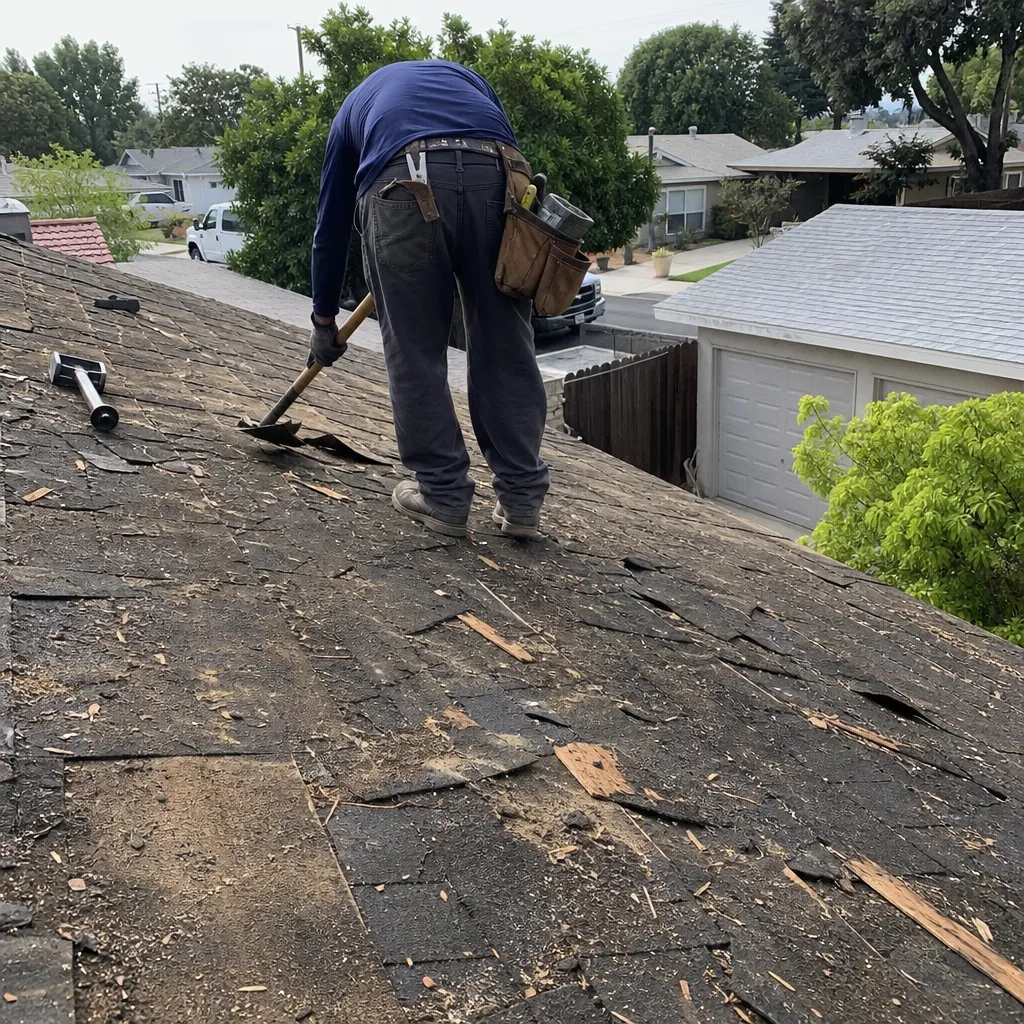 Before
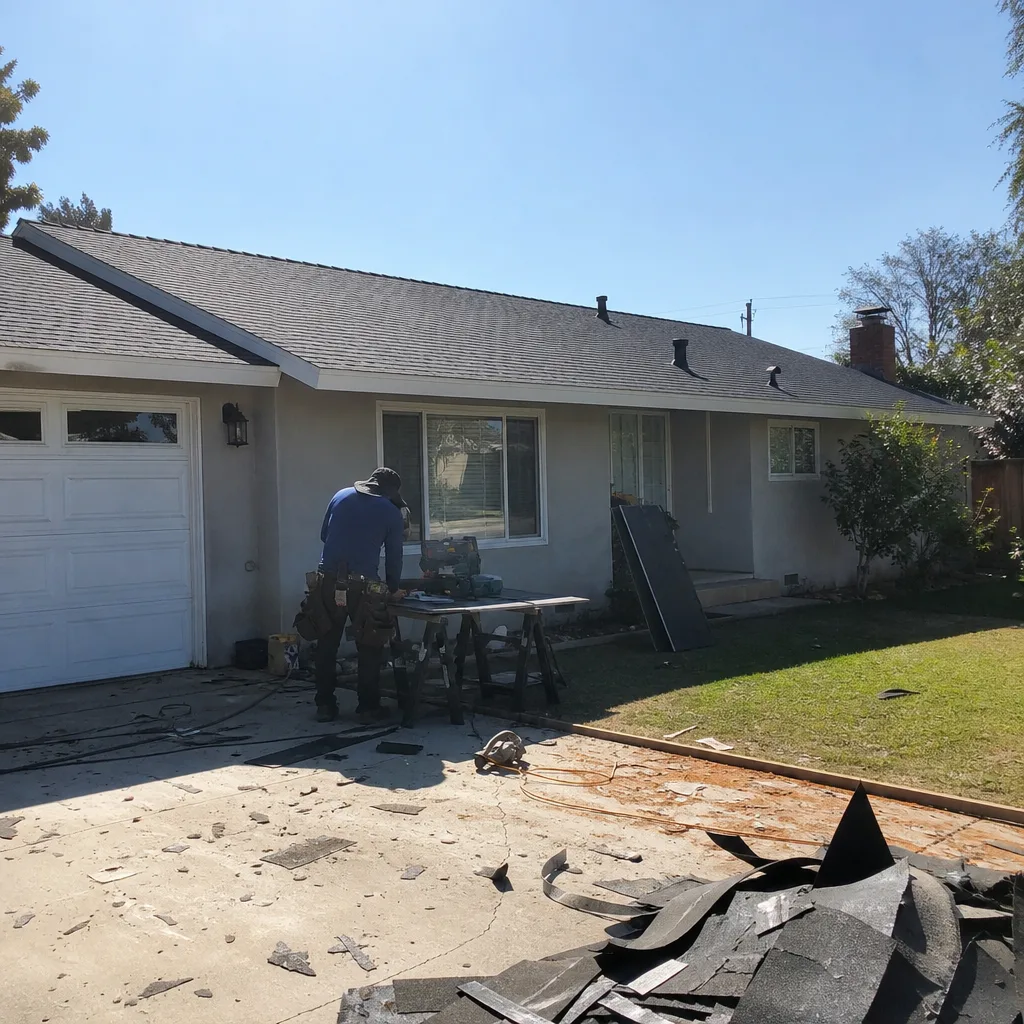 After
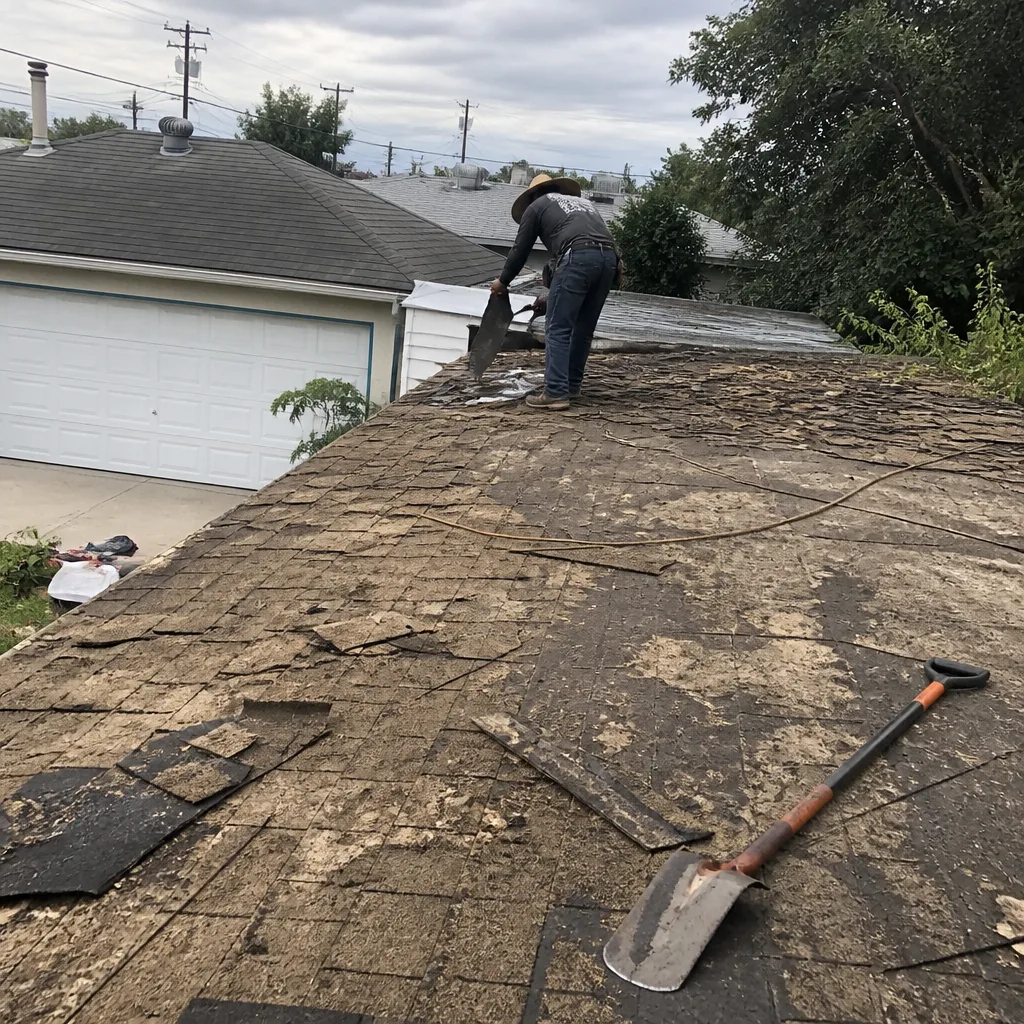 Before
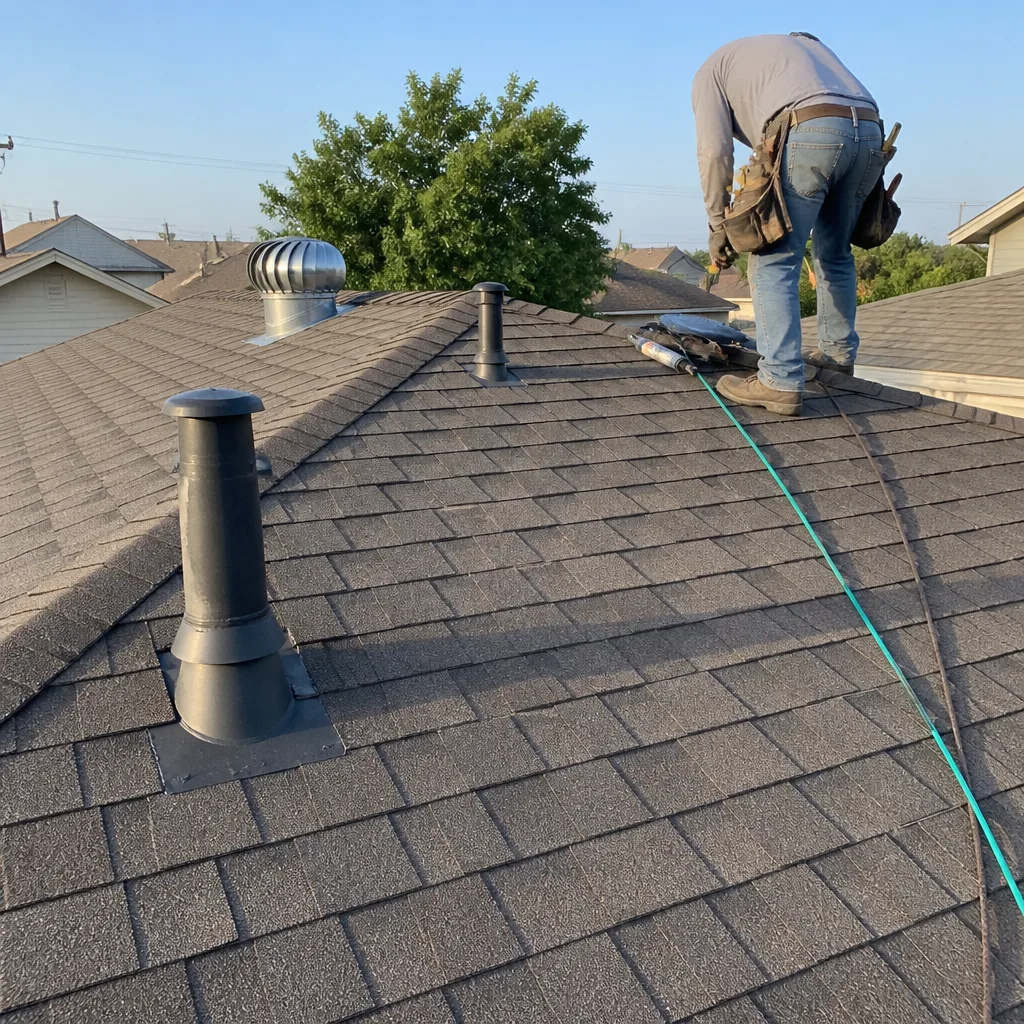 After
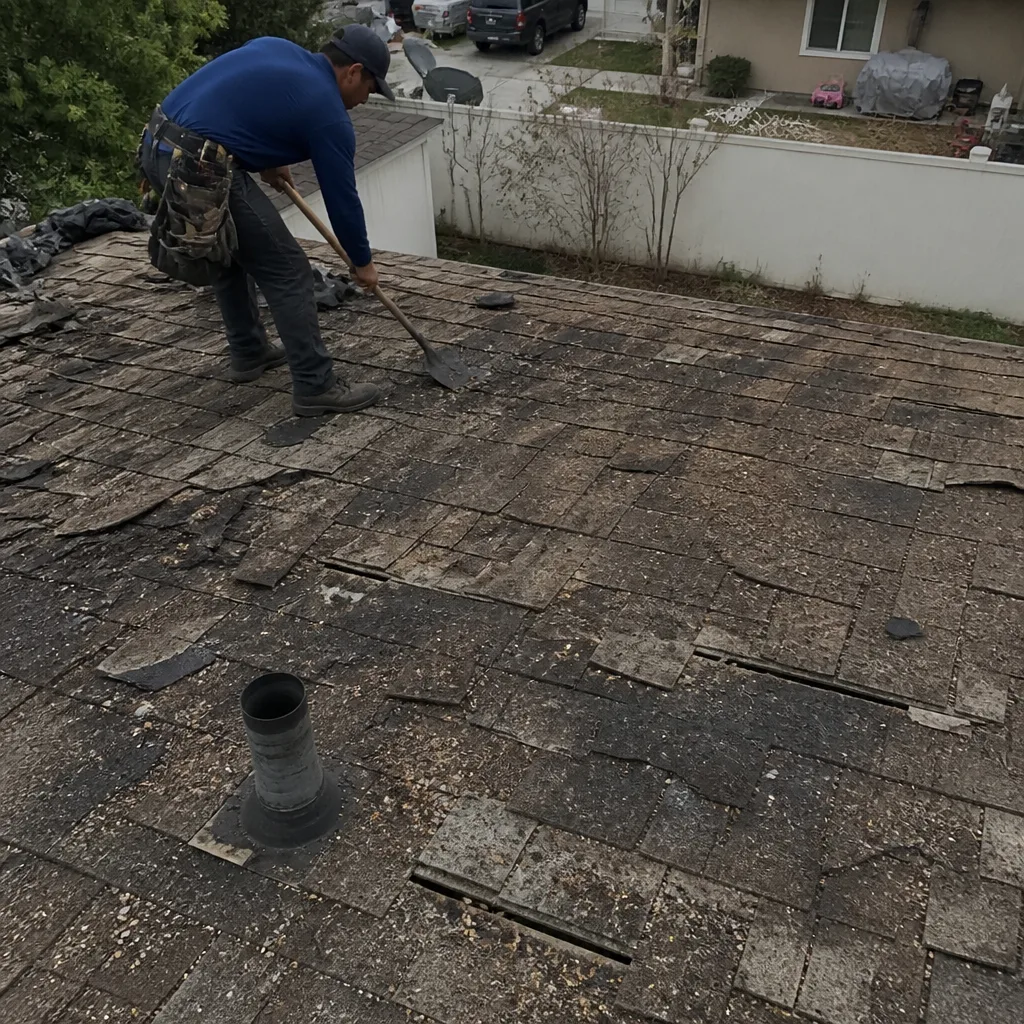 Before
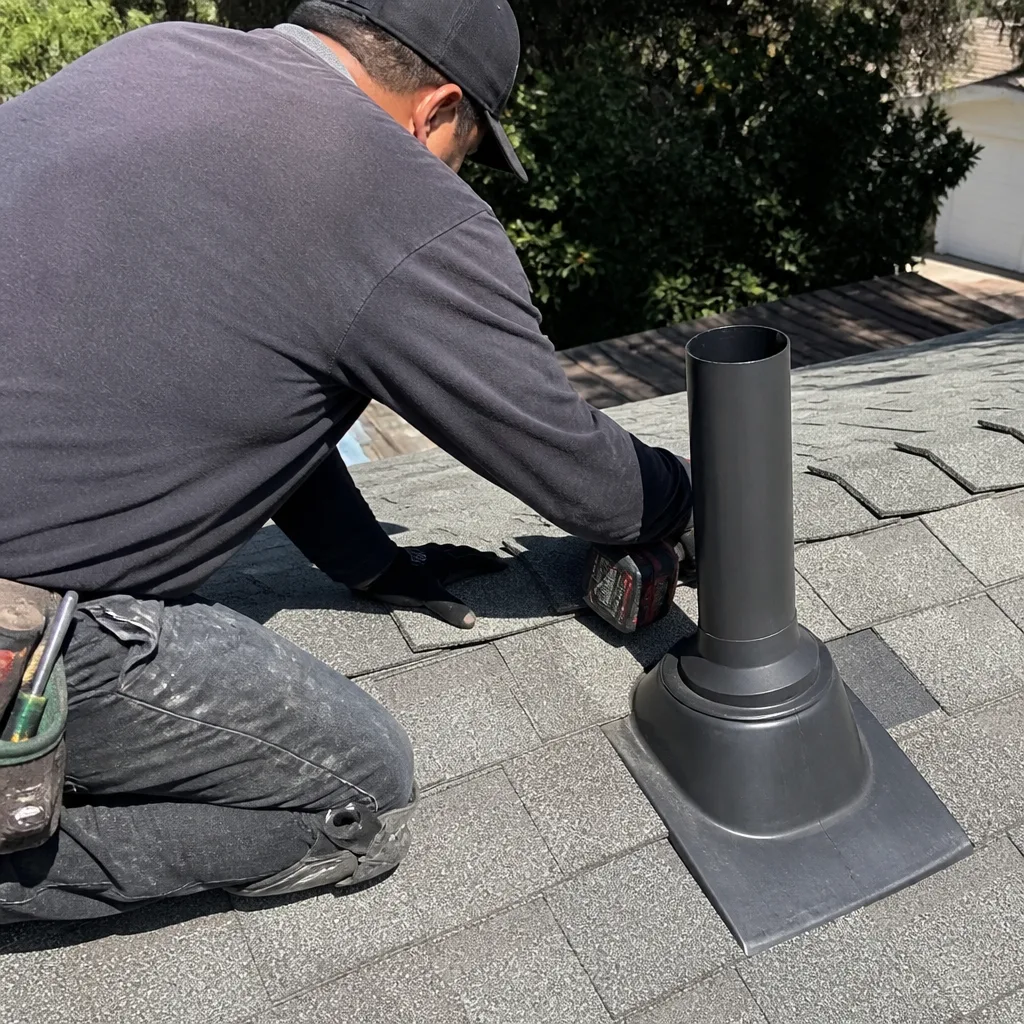 After